Why Refrigerated LTL Is Different From Dry Freight (And Why It Matters For Your Product)
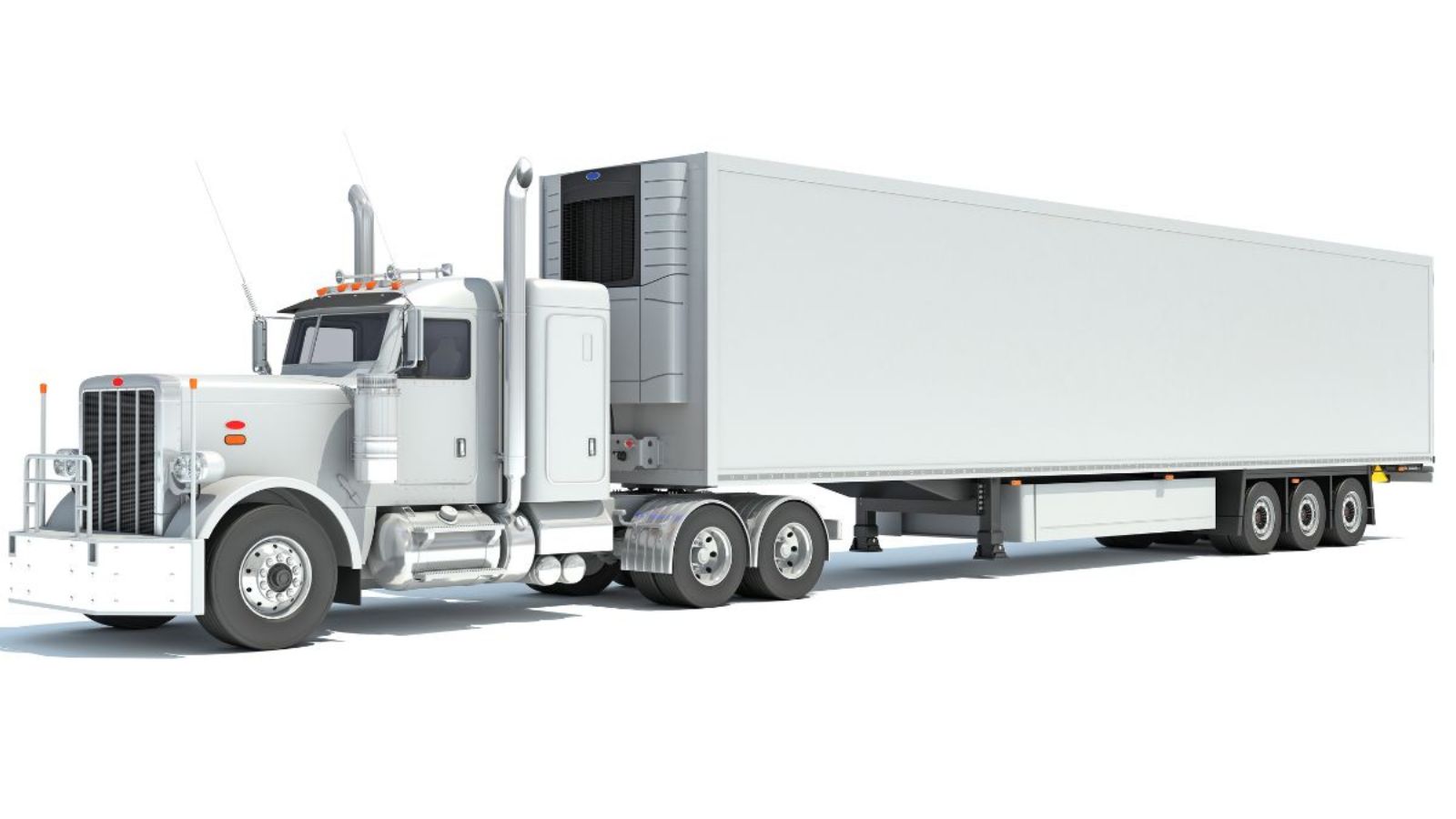
Refrigerated LTL and dry freight differ fundamentally in how they manage temperature, protect product integrity, and meet regulatory requirements. Choosing the correct freight method directly affects product quality, safety, compliance, and financial risk.
Refrigerated LTL maintains controlled temperatures using specialized equipment and trained carriers, while dry freight protects cargo only from weather and physical damage. For temperature-sensitive products, this distinction is critical. This guide explains the operational differences, cost considerations, and why refrigerated LTL matters when product integrity is non-negotiable.
Core Differences Between Refrigerated LTL and Dry Freight
Refrigerated LTL is designed for products that require temperature stability throughout transit. Dry freight is intended for goods that tolerate normal environmental changes.
Temperature Control and Monitoring
Refrigerated LTL Temperature Management
Refrigerated LTL maintains a consistent temperature range inside the trailer, commonly between -4°F and 77°F (-20°C to 25°C) depending on the product. Reefers are equipped with active refrigeration units, insulated trailer walls, continuous temperature sensors, and telematics with real-time alerts.
Temperature data is logged throughout transit and can be shared with shippers and receivers to verify cold-chain integrity. Pickup and delivery appointments are often coordinated to minimize door-open time and reduce temperature fluctuations.
Dry Freight Temperature Exposure
Dry freight does not regulate internal temperature. Cargo is exposed to ambient conditions that vary by region, season, and transit duration. For products that can tolerate these changes, dry freight is cost-effective and reliable. For temperature-sensitive goods, however, this exposure increases the risk of spoilage, damage, and claims.
Types of Products Shipped
Selecting refrigerated LTL versus dry freight depends entirely on the product’s tolerance for temperature changes.
Products Suited for Refrigerated LTL
Refrigerated LTL is commonly used for fresh and frozen foods such as produce, dairy, meat, and seafood. It is also required for pharmaceuticals and medical supplies, certain chemicals that require stable temperatures, multi-shipper palletized loads needing isolation or specific set points, and shipments requiring temperature logs or chain-of-custody documentation.
Products Suited for Dry Freight
Dry freight is appropriate for paper goods, packaging materials, furniture, finished consumer goods, electronics that are not temperature-sensitive, and industrial materials or non-perishable inventory.
Using refrigerated LTL for dry goods increases costs unnecessarily, while using dry freight for perishables increases the risk of product loss and regulatory violations.
Trailer and Equipment Requirements
Refrigerated LTL Equipment
Refrigerated LTL relies on reefer trailers with insulated walls, sealed doors, active cooling systems, and airflow management protocols. Pallet placement rules help maintain circulation and consistent temperatures.
Additional equipment may include thermal blankets, pallet covers, and temperature loggers. Reefer trailers require stricter maintenance schedules, and carriers must have contingency plans for equipment failure, including load transfers or expedited delivery.
Dry Freight Equipment
Dry freight uses standard dry van trailers without refrigeration or insulation. Equipment focuses on load securement, such as straps and load bars, and protecting cargo from moisture or shifting. Maintenance is simpler, which typically results in lower freight rates and broader carrier availability.
Why Refrigerated LTL Matters for Your Product
Refrigerated LTL is more than a shipping option. It is a risk management solution for temperature-sensitive goods.
Preserving Product Quality and Safety
Refrigerated LTL keeps products within a defined temperature range from pickup to delivery. This prevents bacterial growth in food, texture and flavor degradation, chemical instability, and loss of potency in pharmaceuticals.
Carriers use insulated trailers, tight seals, and active refrigeration systems to prevent exposure. Temperature and humidity logs provide proof that products remained within acceptable limits throughout transit.
Impact on Delivery Times and Scheduling
Temperature-controlled freight requires tighter scheduling than dry freight. Loading and unloading windows are carefully managed to limit door-open time and prevent temperature spikes.
Refrigerated LTL shipments often route through temperature-controlled terminals or dedicated lanes. While this can add handling steps, working with carriers that provide strong reefer networks and real-time tracking reduces delays and minimizes risk.
Regulatory Compliance Considerations
Many products shipped via refrigerated LTL fall under strict regulatory oversight. Food shipments may require HACCP compliance, while pharmaceutical products may require FDA or GMP documentation.
Shippers must maintain temperature records, carrier certifications, and handling instructions. Failure to comply can result in shipment rejection, recalls, fines, or liability exposure. Choosing a carrier that provides compliance documentation and validated refrigeration equipment helps protect against regulatory risk.
Refrigerated LTL vs. Dry Freight: Protecting Your Product and Your Costs
Choosing the correct freight method ensures safety, compliance, and cost efficiency.
Refrigerated LTL is essential for perishable and temperature-sensitive products. It uses insulated trailers, active refrigeration, monitoring systems, and trained carriers to prevent spoilage and regulatory issues.
Dry freight is ideal for non-sensitive goods, offering simpler logistics and lower transportation costs.
Understanding the operational differences between these freight types allows shippers to match transportation methods to product requirements and avoid unnecessary risk.
Cannonball Express Transportation
Cannonball Express Shipping Company has been providing top-of-the-line service at a reasonable rate. Based in Omaha, Nebraska, we provide nationwide refrigerated LTL services, as well as local delivery services. Contact us today!
Nationwide Shipping Company Services:
- Refrigerated LTL deliveries in the lower 48 states
- Refrigerated Cross-dock
Local Shipping Company Services:
- Redelivery Services
- Truckload & LTL Capabilities
- PUP
- Cross dock
- Transload
- Warehouse and Distribution capabilities from multiple Omaha Locations
Nebraska Warehouse One-Stop-Shop | TechnologyEnabled 3PL Value-Added Services Warehouse | Freight Broker | Logistics
Nebraska Warehouse doesn’t just help to facilitate your shipments, but we are truly a one-stop-shop solutions provider. Our services include:
Latest News
The latest information about our Omaha storage warehouse services

What Is FSMA 204, and What Records Should Food Shippers Share With Carriers?
Food traceability is creating new documentation considerations for shippers, particularly as FSMA...
September 2, 2026
The Odor Transfer Trap: Why Mixing Chocolate and Cheese in Summer LTL Spells Disaster
Summer shipping introduces challenges that extend beyond maintaining the correct trailer...
August 4, 2026
Brutal Lessons From Moving Stadium and High School Concession Freight on Multi-Stop Reefer LTL Freight Routes
Concession freight often looks easier than it is. A refrigerated trailer may carry products for...
July 3, 2026
When Summer Heat Wave Warnings Threaten Food-Grade Cargo: The Ultimate Guide to Safe Transit
Summer heat waves can create serious challenges for food shipments. While many people think of...
June 12, 2026
Ways Data And AI Can Help You Stop Cold Chain Surprises Before They Happen
Cold chain problems rarely happen all at once. They usually build up slowly. Small delays,...
May 21, 2026
Dwell Time: The Silent Freight Killer That Wrecks Product Quality Every Hot Month
During the hottest months of the year, freight risks do not only come from transportation...
May 11, 2026
What Happens to Cold Freight on the Road During the Summer Heatwave?
During summer heatwaves, cold freight is exposed to strong thermal pressure as...
April 14, 2026
Spring Storms And Safe Deliveries: How We Plan Around Unpredictable Weather
Heavy rain, strong winds, and sudden storms can create a potential risk for drivers, vehicles,...
March 23, 2026
Why Refrigerated LTL Is Different From Dry Freight (And Why It Matters For Your Product)
Refrigerated LTL and dry freight differ fundamentally in how they manage temperature, protect...
March 2, 2026
The Most Dangerous Roads in America—And How Truckers Master Them
The most dangerous roads in America often have heavy traffic, tricky designs, and challenging...
February 5, 2026