Facility-Based Refrigerated LTL vs. Hub-and-Spoke Networks: A Comparative Guide
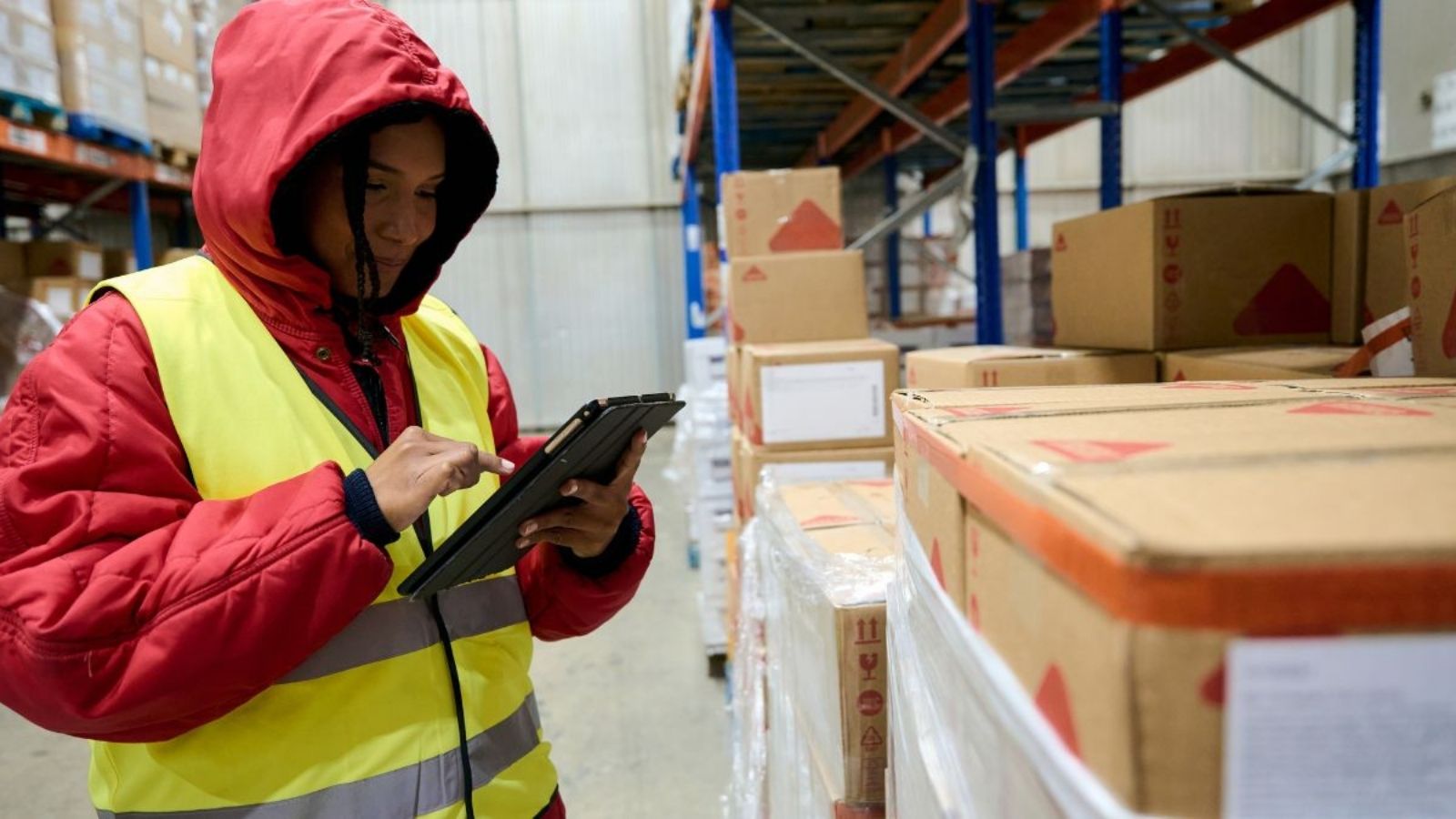
Facility-based refrigerated LTL offers real-time visibility and temperature-controlled shipping, making it ideal for perishable goods. This model ensures temperature-sensitive products reach destinations on time, minimizing spoilage during transport.
Hub-and-spoke networks, in contrast, route mixed freight through central hubs before final delivery. Facility-based refrigerated LTL provides more predictable local handling, while hub-and-spoke networks maximize broader coverage.
Learn about facility-based refrigerated LTL vs. hub-and-spoke networks and how each model handles the shipping process, transit time, pickup frequency, and cost so shipments requiring temperature monitoring can remain stable. Expect clear trade-offs and practical guidance to help match service to food production needs and delivery schedules.
Facility-Based Refrigerated LTL vs. Hub-and-Spoke Networks
Differences Between Facility-Based Refrigerated LTL and Hub-and-Spoke Networks
Facility-based refrigerated LTL groups smaller temperature-controlled shipments at local terminals, while hub-and-spoke networks route freight through central hubs for longer hauls. Key trade-offs include the number of touchpoints, transit predictability, and control over temperature and scheduling.
Overview of Less-Than-Truckload (LTL) Shipping Models
LTL moves multiple shippers’ freight in one trailer, so each pays for only the space used. Carriers sort shipments by freight class, weight, and destination at terminals or distribution centers.
This model suits smaller, irregular shipments and shippers who value cost sharing over exclusive truckloads. LTL carriers schedule pickups and route consolidation to optimize trailer utilization, which can add terminals and handling steps.
Temperature-controlled LTL adds the requirement of refrigerated trailers and single- or limited-zone temperature settings. That increases risk with more touchpoints because each terminal handling is another chance for temperature deviation. Shippers must balance cost, lead time, and product sensitivity.
Refrigerated Facility-Based LTL: Structure and Operations
Facility-based refrigerated LTL centers operate at local terminals or DCs that are equipped with reefer docks and short-term cold storage. Carriers pick up local shipments, bring them to the terminal for sorting, and load them onto outbound trailers bound for final routes or other terminals.
This setup reduces line-haul distance for local deliveries and often speeds last-mile service. It works well for smaller, dense loads and unpredictable schedules.
Key operational points:
- Terminals handle consolidation by freight class and destination.
- Temperature control is managed locally, requiring monitoring at each node.
- Throughput depends on terminal capacity and carrier schedules. Shippers trade some long-haul efficiency for lower pickup costs and more flexible, localized service.
Hub-and-Spoke Network Design for Temperature-Controlled Freight
A hub-and-spoke network uses central hubs that aggregate freight from many spokes (local terminals or warehouses) before sending full truckloads on mainline routes. Hubs act as high-throughput nodes with strong consolidation capability.
For refrigerated freight, hubs offer better planning and fewer transfers during line-haul, which improves reliability and temperature integrity. Consolidators or 3PLs often coordinate timing so shipments meet scheduled departures to form full truckloads.
Important features:
- Fewer long-distance touchpoints, but added pickup legs from spokes to the hub.
- Higher predictability and capacity to control temperature across the node.
- Best for recurring lanes, predictable volumes, and shipments needing faster transit.
Shippers with steady volume benefit from lower per-unit line-haul cost and improved cold-chain control through centralized consolidation.
How Facility-Based Refrigerated LTL and Hub-and-Spoke Models Compare
The comparison highlights delivery speed, handling risk, cost drivers, and tech needs between facility-based refrigerated LTL and hub-and-spoke networks. It focuses on key factors shippers should track: transit time, touches, capacity limits, rate structure, and compliance risks.
Transit Time, Reliability, and Capacity Considerations
Facility-based refrigerated LTL often reduces transit time for regional lanes because shipments move directly from a refrigerated warehouse to the destination without multiple cross-dock touches. That lowers the risk of temperature excursions and shortens lead time for time-sensitive SKUs like dairy or pharma.
Capacity, however, depends on trailer availability and scheduled departures at the facility. Peak season or temperature-controlled surge demand can create capacity constraints or cause carriers to request LTL freight quotes earlier.
Hub-and-spoke networks centralize sorting at major hubs. They can increase transit time because shipments go through one or more hubs and require drayage between terminals.
Reliability improves for national coverage because common carriers optimize load consolidation. However, more handling increases the risk of damage, claims, or temperature changes. Shippers with fixed lanes may use zone skipping or consolidation to cut calendar days.
Operational Efficiency and Service Scalability
Facility-based models streamline handling: pallets get palletized, labeled with SKUs and NMFC codes, and loaded in temperature zones. This reduces handling steps and simplifies reverse logistics and claims processing when an arrival notice or freight bill mismatch occurs.
A bonded warehouse can also house export documentation like commercial invoices and air waybills for cross-border cold-chain movements.
Hub-and-spoke scales well for national networks because spokes handle pick-up and final mile, while hubs manage consolidation. This allows multiple shippers to share trailer capacity and lowers the minimum shipment size.
However, spokes increase coordination work with brokers, freight forwarders, and drayage partners. Service scalability can be limited by terminal hours and the carrier’s tariff rules for hazardous material or specialized reefer lanes.
Cost Factors, Freight Rates, and Seasonality Impact
Facility-based refrigerated LTL offers more predictable pricing on regular lanes due to full-truckload scheduling, fewer accessorials, and reduced fuel surcharges. It works best when multiple SKUs can be consolidated at a facility and drayage or contract rates are in place.
Costs increase when inventory planning breaks down, leading to stockouts or emergency shipments with higher broker or expedited fees.
Hub-and-spoke models lower per-shipment costs for small orders through LTL pooling, but both models are affected by seasonality. Peak produce cycles and winter conditions raise reefer demand and drive freight rates higher.
Tariffs, freight bills, and accessorial charges such as liftgate or inside delivery influence landed cost. Regular LTL freight quotes and close review of freight bills and purchase order accuracy help control spend.
Technology, Tracking, and Regulatory Compliance
Facility-based operations use warehouse systems, GPS, RFID, and temperature records to support pallet-level visibility, documentation accuracy, NMFC classification, hazardous material handling, and claims resolution.
Hub-and-spoke networks rely on TMS, GPS, and EDI to manage handoffs, but visibility can fragment without centralized coordination, making integrated systems essential for customs clearance, bonded storage, compliance, and on-time performance.
Cannonball Express Transportation
Cannonball Express Shipping Company has been providing top-of-the-line service at a reasonable rate. Based in Omaha, Nebraska, we provide nationwide refrigerated LTL services, as well as local delivery services. Contact us today!
Nationwide Shipping Company Services:
- Refrigerated LTL deliveries in the lower 48 states
- Refrigerated Cross-dock
Local Shipping Company Services:
- Redelivery Services
- Truckload & LTL Capabilities
- PUP
- Cross dock
- Transload
- Warehouse and Distribution capabilities from multiple Omaha Locations
Nebraska Warehouse One-Stop-Shop | TechnologyEnabled 3PL Value-Added Services Warehouse | Freight Broker | Logistics
Nebraska Warehouse doesn’t just help to facilitate your shipments, but we are truly a one-stop-shop solutions provider. Our services include:
Latest News
The latest information about our Omaha storage warehouse services

Spring Storms And Safe Deliveries: How We Plan Around Unpredictable Weather
Heavy rain, strong winds, and sudden storms can create a potential risk for drivers, vehicles,...
March 23, 2026
Why Refrigerated LTL Is Different From Dry Freight (And Why It Matters For Your Product)
Refrigerated LTL and dry freight differ fundamentally in how they manage temperature, protect...
March 2, 2026
The Most Dangerous Roads in America—And How Truckers Master Them
The most dangerous roads in America often have heavy traffic, tricky designs, and challenging...
February 5, 2026
Facility-Based Refrigerated LTL vs. Hub-and-Spoke Networks: A Comparative Guide
Facility-based refrigerated LTL offers real-time visibility and temperature-controlled...
January 15, 2026
How Food Safety Regulations Influence Route Planning for Refrigerated Carriers
Food safety regulations guide how refrigerated carriers plan routes to keep perishable goods...
December 11, 2025
The Impacts of Regulatory Changes on Reefer Fleet Operations
Reefer fleet operations are facing significant changes due to new rules and regulations...
November 4, 2025
How College Football Season Affects Freight Routes and Scheduling
The college football season creates unique challenges for freight routes and scheduling. Teams...
October 13, 2025
Customizing Packaging to Prevent Freeze Damage in Pharmaceuticals
Custom thermal packaging is essential for protecting pharmaceutical products from freeze damage...
September 19, 2025
Frozen Food Logistics: Maintaining –0.4 °F Throughout Transit for Optimal Quality and Safety
Keeping frozen food at –0.4 °F during frozen food logistics is absolutely vital for...
August 28, 2025
How Does Refrigerated Shipping Work? Understanding Temperature Control and Logistics Essentials
Refrigerated shipping uses special containers with built-in cooling systems to keep goods at a...
August 8, 2025