The Most Dangerous Roads in America—And How Truckers Master Them
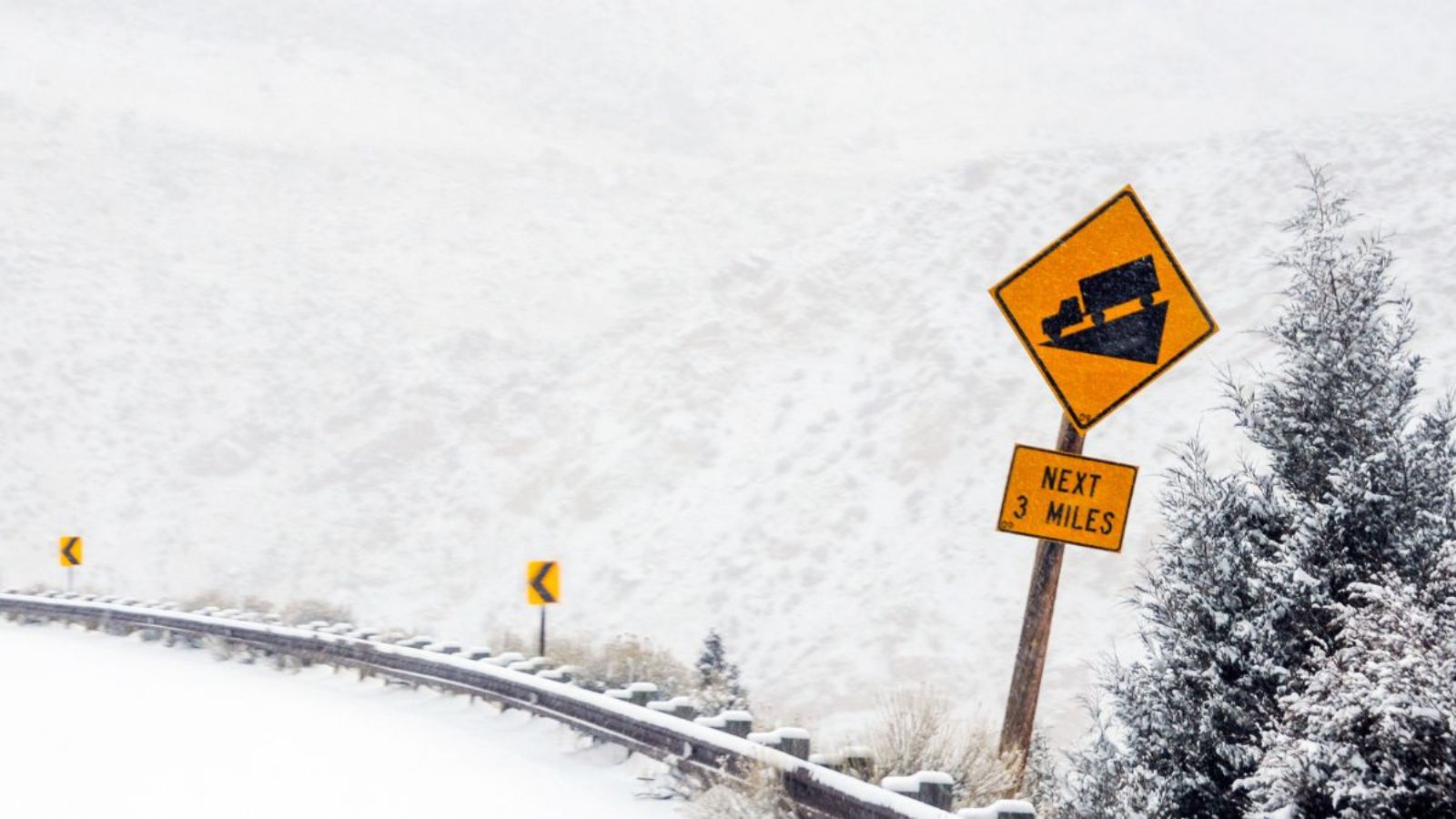
The most dangerous roads in America often have heavy traffic, tricky designs, and challenging weather. Some highways stand out as especially risky. Know which stretches make the list and what steps experienced truckers take to stay safe, and chances of trouble decrease on those segments.
Truckers discover why highways like sections of Interstate 95, I-4, and even certain Nebraska routes earn a dangerous reputation, along with specific hazards to watch for. The next sections highlight the most dangerous roads in America and practical tactics drivers use to navigate them safely.
The Most Dangerous Roads in America
Some highways repeatedly appear in crash data and trucker reports due to traffic volume, roadway layout, weather exposure, and driver behavior. These roads are not always unsafe, but they leave far less margin for error when conditions deteriorate.
High-risk roads for truck drivers commonly include:
Interstate 95 (East Coast)
Heavy congestion, frequent lane changes, and dense urban interchanges create constant braking and merging challenges for large trucks.
- Interstate 4 (Florida) – Short on-ramps, tourist traffic, and sudden slowdowns contribute to one of the highest crash rates in the country.
- Interstate 405 (California) – Extreme traffic density and complex ramp systems increase collision risk, especially during peak commuter hours.
- Interstate 80 (Nebraska and Wyoming) – Long, straight stretches increase fatigue, while crosswinds, winter storms, and icy bridges pose sudden hazards for high-profile vehicles.
- Interstate 10 (Southwest and Gulf States) – High freight volume, extreme heat, and long distances between services elevate risks tied to tire failures and driver exhaustion.
- Interstate 40 (Arizona and New Mexico) – Weather swings, construction zones, and high travel speeds make this east-west freight corridor especially demanding.
- U.S. Route 83 (Texas) – Two-lane design, limited shoulders, and high-speed passing increase the likelihood of head-on and run-off-road crashes.
- U.S. Route 50 (Nevada) – Remote terrain, few pullouts, and long distances between services create serious challenges during breakdowns or sudden storms.
These routes require proactive planning, disciplined driving habits, and constant situational awareness.
Dangerous roads often combine multiple risk factors rather than a single issue. Heavy traffic, tricky geometry, weather exposure, and inconsistent driver behavior all increase crash likelihood. For truck drivers, managing these risks while hauling heavy loads demands patience and precision.
Narrow lanes, short merge zones, and sudden speed changes are especially dangerous for large rigs. Congestion increases braking frequency, while rural isolation reduces recovery options during emergencies. Together, these conditions make certain roads persistently hazardous.
Top High-Risk Highways for Truckers
Interstate corridors with high traffic volume and frequent crashes include stretches of I-4 in Florida, I-95 along the East Coast, and parts of I-405 in California. These routes see many lane changes, short merges, and heavy commuter traffic that increase collision risk for large rigs.
Rural U.S. Routes with two lanes, like US-83 in Texas and US-50 in Nevada, create risk from limited sightlines and high-speed overtaking. Truckers face tight shoulders and few safe pullouts, which complicate emergency stops and load checks.
Key risk factors: heavy merge zones, narrow shoulders, frequent truck-car interactions, and long-grade descents that can stress brakes. Drivers reduce risk by planning routes, using engine braking, and increasing following distance.
Spotlight on Nebraska: Key Hazards
Nebraska features long interstate stretches, narrow rural highways, and heavy agricultural traffic that challenge truckers. I-80 crosses the state with long, straight miles that can induce driver fatigue and sudden crosswinds on exposed plains.
Two-lane state routes near farms have slow-moving equipment, blind driveways, and sudden stops for livestock. Snow and ice in winter cause slick surfaces and whiteouts on elevated sections and bridges.
Practical responses include strict rest schedules, wind advisories, and reduced speeds for road conditions. Drivers often stage at designated parking areas before bad weather and use chains or traction devices when required.
Major Accident Hotspots
Certain locations recur in crash data: major urban interchanges, long downgrade sections, and single-lane rural stretches. Examples include busy city ramps where trucks must slow down in heavy traffic. They also include steep hills where the risk of brake failure increases.
Highway design issues, including short merge lanes, tight curves, and limited escape shoulders, concentrate accidents. Work zones and holiday travel spikes also create hotspots, with lane shifts and sudden congestion catching drivers off guard.
Mitigation strategies focus on route scouting, avoiding peak congestion times, and using in-cab alerts for steep grades. Fleet managers emphasize brake inspections, proper cargo securement, and rehearsed emergency procedures.
Seasonal Challenges and Weather Risks
Winter brings snow, ice, and black ice that reduce traction on interstates and rural roads alike. Nebraska and the northern plains see rapid temperature swings that create freeze-thaw cycles and fragile shoulders.
Summer heat can soften pavement and increase tire blowout risk on long, straight interstates like I-10 and I-40. Spring and fall storms add heavy rain, flash flooding on low-lying roads, and debris from wind events.
Truckers adapt by checking weather briefings, carrying chains, and planning alternates around flood-prone segments. Slow speeds, wider following gaps, and staged rest stops during storms help prevent incidents.
How Truckers Safely Navigate America’s Deadliest Roads
Truckers rely on sharp skills, modern gear, and careful planning to handle steep grades, tight lanes, severe weather, and heavy traffic. They practice defensive driving, use electronic aids, and prepare routes and loads before each run.
Essential Skills and Defensive Driving Strategies
Truckers keep a large following distance to allow extra braking time, especially on I-4, I-95, and mountain passes. They scan far ahead for brake lights, stalled vehicles, and sudden lane changes.
They use two- to three-second gaps in normal conditions and add several seconds in rain, snow, or heavy traffic. This habit reduces rollover and jackknife risk.
Proper speed control matters more than speed itself. Drivers downshift on long descents and avoid riding the brakes. They execute lane changes deliberately, signaling early and checking mirrors and blind spots twice.
When visibility drops, truckers slow to a speed they can stop within the sight distance and turn on hazard lights if traffic permits. They also communicate with dispatch about delays or dangerous stretches.
Leveraging Advanced Technology and Equipment
Modern trucks come with safety tech that helps on dangerous routes. Electronic stability control, automatic emergency braking, and lane departure warning systems cut crash risk when drivers stay alert.
GPS units with truck-specific routing prevent low-clearance or weight-restricted detours that cause tight maneuvers.
Tire pressure monitoring and proper ABS/air-brake maintenance keep stopping distances predictable. Dash cams and telematics provide real-time feedback to drivers and fleet managers, enabling coaching after near misses.
Drivers also outfit rigs with high-traction tires for winter and use supplemental mirrors or camera systems to reduce blind spots on narrow roads.
Effective Route Planning and Preparation
Truckers plan routes to avoid known hazards when possible, choosing times and lanes that reduce congestion. They check DOT alerts, weather forecasts, and state highway incident pages before departure.
Pre-trip planning includes noting key points: steep grades, tight ramps, low bridges, and weigh stations. Drivers calculate fuel stops and legal rest periods to avoid fatigue on long, risky stretches.
Load securement and weight distribution get a final check before entering tricky segments. Drivers verify cargo tiedowns, tare weights, and trailer suspension balance to prevent shifting that alters handling.
When a route is unavoidable, truckers brief co-drivers or dispatch on alternate pullouts, emergency exits, and safe speed targets tailored to the truck’s load and road conditions.
Cannonball Express Transportation
Cannonball Express Shipping Company has been providing top-of-the-line service at a reasonable rate. Based in Omaha, Nebraska, we provide nationwide refrigerated LTL services, as well as local delivery services. Contact us today!
Nationwide Shipping Company Services:
- Refrigerated LTL deliveries in the lower 48 states
- Refrigerated Cross-dock
Local Shipping Company Services:
- Redelivery Services
- Truckload & LTL Capabilities
- PUP
- Cross dock
- Transload
- Warehouse and Distribution capabilities from multiple Omaha Locations
Nebraska Warehouse One-Stop-Shop | TechnologyEnabled 3PL Value-Added Services Warehouse | Freight Broker | Logistics
Nebraska Warehouse doesn’t just help to facilitate your shipments, but we are truly a one-stop-shop solutions provider. Our services include:
Latest News
The latest information about our Omaha storage warehouse services

Spring Storms And Safe Deliveries: How We Plan Around Unpredictable Weather
Heavy rain, strong winds, and sudden storms can create a potential risk for drivers, vehicles,...
March 23, 2026
Why Refrigerated LTL Is Different From Dry Freight (And Why It Matters For Your Product)
Refrigerated LTL and dry freight differ fundamentally in how they manage temperature, protect...
March 2, 2026
The Most Dangerous Roads in America—And How Truckers Master Them
The most dangerous roads in America often have heavy traffic, tricky designs, and challenging...
February 5, 2026
Facility-Based Refrigerated LTL vs. Hub-and-Spoke Networks: A Comparative Guide
Facility-based refrigerated LTL offers real-time visibility and temperature-controlled...
January 15, 2026
How Food Safety Regulations Influence Route Planning for Refrigerated Carriers
Food safety regulations guide how refrigerated carriers plan routes to keep perishable goods...
December 11, 2025
The Impacts of Regulatory Changes on Reefer Fleet Operations
Reefer fleet operations are facing significant changes due to new rules and regulations...
November 4, 2025
How College Football Season Affects Freight Routes and Scheduling
The college football season creates unique challenges for freight routes and scheduling. Teams...
October 13, 2025
Customizing Packaging to Prevent Freeze Damage in Pharmaceuticals
Custom thermal packaging is essential for protecting pharmaceutical products from freeze damage...
September 19, 2025
Frozen Food Logistics: Maintaining –0.4 °F Throughout Transit for Optimal Quality and Safety
Keeping frozen food at –0.4 °F during frozen food logistics is absolutely vital for...
August 28, 2025
How Does Refrigerated Shipping Work? Understanding Temperature Control and Logistics Essentials
Refrigerated shipping uses special containers with built-in cooling systems to keep goods at a...
August 8, 2025