Brutal Lessons From Moving Stadium and High School Concession Freight on Multi-Stop Reefer LTL Freight Routes
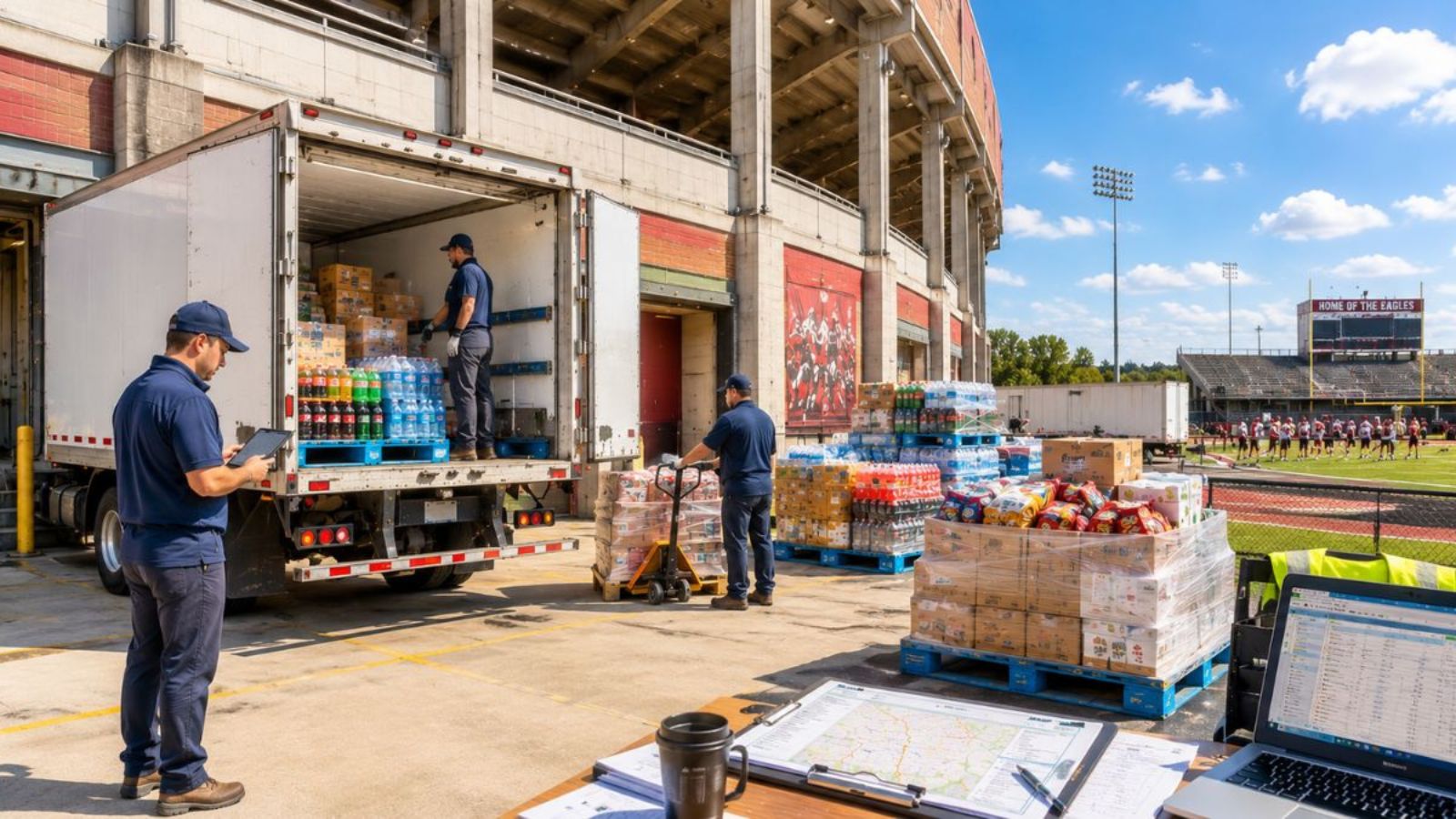
Concession freight often looks easier than it is. A refrigerated trailer may carry products for several schools, stadiums, and athletic facilities on a single route, but each stop has different operating hours, receiving procedures, and event schedules. A route that looks efficient in the morning can change quickly after one unexpected delay.
One lesson that becomes clear after handling multi-stop reefer LTL freight is that keeping products cold is only part of the job. The bigger challenge is keeping every stop on schedule when each customer operates differently.
Lessons From Multi-Stop Concession Routes
Every concession route presents different challenges, but some patterns appear repeatedly.
Based on experience handling refrigerated deliveries for schools and stadiums, several lessons consistently emerge. These are some of the most important insights transportation teams learn when managing multi-stop reefer LTL freight.
The Shortest Route Usually Is Not the Fastest
A misconception is that the closest customer should always receive the first delivery. That may work for standard freight, but concession routes often follow a different pattern.
School kitchens typically receive refrigerated products around meal preparation schedules. Stadiums may have longer delivery windows, but those windows can narrow as vendors arrive, security checkpoints become active, and event preparations begin.
Instead of planning around mileage alone, transportation teams often consider:
- School meal preparation times
- Athletic event schedules
- Receiving appointments
- Security requirements
- Expected unloading time
A route with slightly more driving can often finish sooner because deliveries match how each facility actually operates.
Waiting Can Take Longer Than Driving
Traffic is usually the first concern customers mention. In practice, one recurring delay happens after the truck reaches the delivery location.
Unlike warehouses with dedicated dock personnel, concession deliveries are often received by people whose primary responsibility is something else.
At schools, cafeteria staff or athletic personnel may step away from other duties to accept refrigerated products. At stadiums, concession teams may already be preparing for the event when deliveries arrive.
Transportation teams commonly encounter delays caused by:
- Waiting for the receiving personnel
- Product counts before acceptance
- Temporary security procedures
- Locked service entrances
- Multiple vendors arriving at once
These situations may only add a few minutes at one stop, but those minutes often affect every remaining delivery on the route.
Event Schedules Drive Deliveries
A pattern we’ve noticed is that concession freight follows event schedules more than traditional business hours.
Friday night football, weekend tournaments, graduation ceremonies, and community events all change when products need to arrive. Two schools in the same district may require completely different delivery schedules simply because their events begin at different times.
Route planning often includes:
- Game schedules
- Tournament start times
- School activities
- Seasonal sports calendars
- Community events
Planning around the event instead of the clock helps products arrive when concession teams are ready to stock coolers, freezers, and serving areas.
The Last Stop Is the Hardest
Many people assume the first stop is the most important because the trailer is fully loaded. Experience shows that the final deliveries often require the most planning.
By the last stop, the trailer has been opened several times, unloading times have added up, and traffic conditions may have changed. A delay that seemed minor early in the day can leave little flexibility for the remaining customers.
Transportation teams often reduce these risks by:
- Loading freight in the delivery sequence
- Keeping each customer’s products together
- Placing early deliveries near the trailer doors
- Allowing additional time later in the route
These practices help maintain product temperatures while making unloading faster at every stop.
Repeat Stops Can Change
One lesson that surprises many businesses is that familiar delivery locations do not always follow familiar procedures.
A school hosting summer programs may use different receiving staff than it does during the school year. A stadium preparing for a concert may direct deliveries through a different entrance than it uses for sporting events. The address remains the same, but the delivery process may change from week to week.
Before departure, transportation teams often confirm:
- Which entrance is open
- Current receiving contacts
- Event-related access restrictions
- Available unloading equipment
- Temporary changes to receiving procedures
Taking a few minutes to verify these details helps prevent delays that have nothing to do with transportation.
Planning Makes Multi-Stop Reefer LTL Freight Work
Successful multi-stop reefer LTL freight involves much more than maintaining refrigerated temperatures. It requires understanding how schools, stadiums, and athletic venues actually receive concession products throughout the day.
Experience shows that the biggest challenges are rarely the miles between stops. They involve matching deliveries to event schedules, reducing delays at each location, and planning routes that leave room for the unexpected.
When those operational details are addressed before the truck leaves the terminal, concession freight is more likely to arrive on time and under the right conditions, even across multiple deliveries.
Cannonball Express Transportation
Cannonball Express Shipping Company has been providing top-of-the-line service at a reasonable rate. Based in Omaha, Nebraska, we provide nationwide refrigerated LTL services, as well as local delivery services. Contact us today!
Nationwide Shipping Company Services:
- Refrigerated LTL deliveries in the lower 48 states
- Refrigerated Cross-dock
Local Shipping Company Services:
- Redelivery Services
- Truckload & LTL Capabilities
- PUP
- Cross dock
- Transload
- Warehouse and Distribution capabilities from multiple Omaha Locations
Nebraska Warehouse One-Stop-Shop | TechnologyEnabled 3PL Value-Added Services Warehouse | Freight Broker | Logistics
Nebraska Warehouse doesn’t just help to facilitate your shipments, but we are truly a one-stop-shop solutions provider. Our services include:
Latest News
The latest information about our Omaha storage warehouse services

Why Does a Refrigerated LTL Carrier Need the PO, Appointment, and Temperature Range Before Quoting My Load?
When requesting a refrigerated LTL quote, shippers are often asked for more than the shipment's...
October 14, 2026
Why Are Refrigerated Freight Rates Rising This Fall, and What Can Small Shippers Control?
Small shippers can notice transportation costs changing as fall freight volumes shift....
September 25, 2026
What Is FSMA 204, and What Records Should Food Shippers Share With Carriers?
Food traceability is creating new documentation considerations for shippers, particularly as FSMA...
September 2, 2026
The Odor Transfer Trap: Why Mixing Chocolate and Cheese in Summer LTL Spells Disaster
Summer shipping introduces challenges that extend beyond maintaining the correct trailer...
August 4, 2026
Brutal Lessons From Moving Stadium and High School Concession Freight on Multi-Stop Reefer LTL Freight Routes
Concession freight often looks easier than it is. A refrigerated trailer may carry products for...
July 3, 2026
When Summer Heat Wave Warnings Threaten Food-Grade Cargo: The Ultimate Guide to Safe Transit
Summer heat waves can create serious challenges for food shipments. While many people think of...
June 12, 2026
Ways Data And AI Can Help You Stop Cold Chain Surprises Before They Happen
Cold chain problems rarely happen all at once. They usually build up slowly. Small delays,...
May 21, 2026
Dwell Time: The Silent Freight Killer That Wrecks Product Quality Every Hot Month
During the hottest months of the year, freight risks do not only come from transportation...
May 11, 2026
What Happens to Cold Freight on the Road During the Summer Heatwave?
During summer heatwaves, cold freight is exposed to strong thermal pressure as...
April 14, 2026
Spring Storms And Safe Deliveries: How We Plan Around Unpredictable Weather
Heavy rain, strong winds, and sudden storms can create a potential risk for drivers, vehicles,...
March 23, 2026