When Summer Heat Wave Warnings Threaten Food-Grade Cargo: The Ultimate Guide to Safe Transit
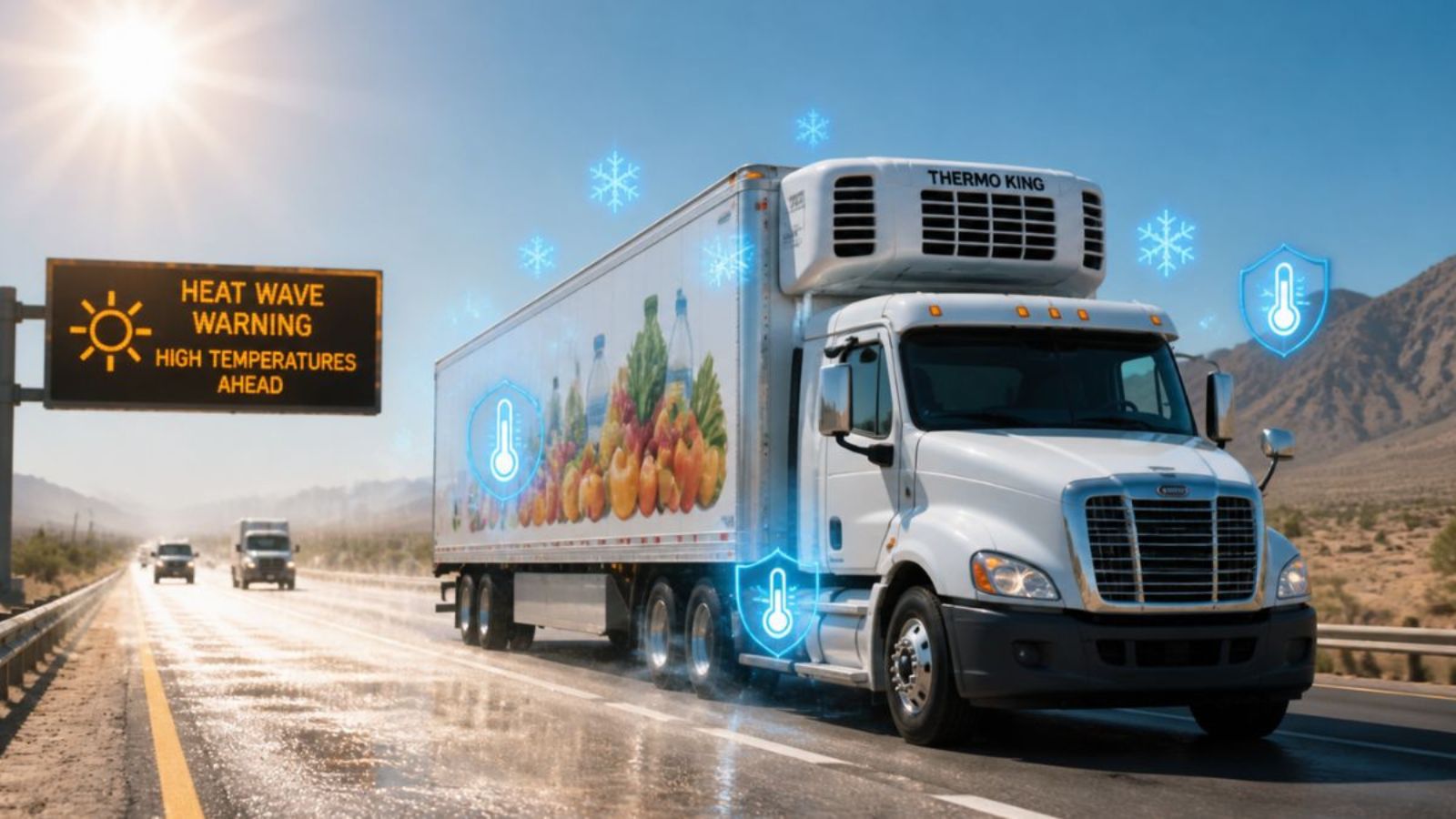
Summer heat waves can create serious challenges for food shipments. While many people think of traffic and delays as the biggest transportation risks, extreme heat can be just as damaging. A shipment may arrive on time and still face quality issues if it spends too much time in high temperatures.
If your business ships food-grade cargo, it is important to understand how heat can affect products during transit. From loading docks to final delivery, every step of the shipping process can impact product quality.
This guide explains how heat waves affect food shipments and what transportation teams can do to keep products safe in transit.
Why Summer Heat Creates Transportation Risks
Hot weather creates challenges that go beyond the temperature shown in a forecast. Trailers, loading docks, pavement, and warehouses can hold heat for hours. As a result, products may be exposed to higher temperatures during transit and handling.
As temperature rises, transportation teams may face challenges such as:
- Longer loading and unloading times
- More strain on refrigeration equipment
- Traffic delays and congestion
- Hotter staging and transfer areas
- Increased exposure during multi-stop deliveries
These conditions can cause temperature changes that affect product quality.
Which Food Products Are Most Vulnerable?
Not all products react to heat in the same way. Some can handle small temperature changes. Others need strict temperature control from pickup to delivery.
Common heat-sensitive cargo includes:
- Dairy products
- Frozen foods
- Fresh produce
- Meat and seafood
- Chocolate and confectionery items
- Prepared meals
- Specialty beverages
- Nutritional and dietary products
Products such as frozen meals and ice cream require stable temperatures to remain safe and maintain quality during transportation.
Why Refrigeration Alone Is Not Enough
Refrigerated transportation is an important part of protecting temperature-sensitive products. However, cooling systems alone are not enough to prevent all risks during transit.
Heat-related issues may happen when:
- Trailer doors are opened often
- Cargo moves between facilities
- Deliveries take longer than planned
- Equipment needs maintenance
- High shipping volumes create delays
Protecting food-grade cargo takes more than refrigeration. In some situations, supplemental cooling materials such as gel packs may provide additional protection for certain products.
The Impact of Dwell Time on Product Quality
Dwell time is the period when freight is waiting instead of moving. While some waiting is unavoidable, extended idle time can increase risk during extreme heat.
Common locations where dwell time occurs include:
- Distribution centers
- Cross-docking facilities
- Loading docks
- Inspection checkpoints
- Transfer terminals
Reducing unnecessary delays helps maintain stable conditions and supports the safe transport of food-grade cargo throughout the supply chain.
Smarter Route Planning During Heat Waves
Route planning becomes more important during periods of extreme heat. The goal is not just to find the shortest route. Choosing a route that keeps products at safe temperatures is also important.
Transportation teams often consider:
- Traffic congestion patterns
- Construction zones
- Delivery schedules
- Number of planned stops
- Regional weather forecasts
Good route planning helps reduce delays and limit exposure to a hot environment.
Using Temperature Monitoring to Maintain Visibility
Modern transportation operations use technology to track shipment conditions while freight is moving.
Temperature monitoring systems may provide:
- Real-time cargo temperatures
- Historical temperature records
- Location tracking
- Environmental alerts
- Transit performance data
Tracking temperature and humidity helps teams see what conditions products experience during transit.
This information helps teams spot problems early and respond quickly. It also helps maintain oversight of food-grade cargo throughout the journey.
Preparing Shipments Before Extreme Heat Arrives
Planning is one of the best ways to reduce weather-related risks.
Preparation strategies may include:
Reviewing Delivery Schedules
Scheduling pickups and deliveries during cooler parts of the day can reduce heat exposure.
Inspecting Equipment Before Departure
Routine inspections help confirm that refrigeration systems and transportation equipment are working properly.
Improving Coordination Between Facilities
Clear communication among warehouses, carriers, and receiving locations helps reduce delays and improve efficiency. These steps support effective cold chain management and help protect sensitive products.
Monitoring Heat Wave Forecasts
Weather forecasts help transportation teams adjust schedules and prepare for challenging conditions before they occur.
Protecting Food-Grade Cargo During Summer Heat
Summer heat can create challenges for temperature-sensitive shipments, but good planning helps reduce risk. Every stage of transportation, from loading and routing to monitoring and delivery, plays a role in protecting product quality.
When heat wave warnings are in the forecast, successful shipping teams focus on planning, monitoring conditions, and reducing delays. These efforts help ensure that food-grade cargo reaches its destination under the right conditions, even during the hottest months of the year.
Cannonball Express Transportation
Cannonball Express Shipping Company has been providing top-of-the-line service at a reasonable rate. Based in Omaha, Nebraska, we provide nationwide refrigerated LTL services, as well as local delivery services. Contact us today!
Nationwide Shipping Company Services:
- Refrigerated LTL deliveries in the lower 48 states
- Refrigerated Cross-dock
Local Shipping Company Services:
- Redelivery Services
- Truckload & LTL Capabilities
- PUP
- Cross dock
- Transload
- Warehouse and Distribution capabilities from multiple Omaha Locations
Nebraska Warehouse One-Stop-Shop | TechnologyEnabled 3PL Value-Added Services Warehouse | Freight Broker | Logistics
Nebraska Warehouse doesn’t just help to facilitate your shipments, but we are truly a one-stop-shop solutions provider. Our services include:
Latest News
The latest information about our Omaha storage warehouse services

Why Does a Refrigerated LTL Carrier Need the PO, Appointment, and Temperature Range Before Quoting My Load?
When requesting a refrigerated LTL quote, shippers are often asked for more than the shipment's...
October 14, 2026
Why Are Refrigerated Freight Rates Rising This Fall, and What Can Small Shippers Control?
Small shippers can notice transportation costs changing as fall freight volumes shift....
September 25, 2026
What Is FSMA 204, and What Records Should Food Shippers Share With Carriers?
Food traceability is creating new documentation considerations for shippers, particularly as FSMA...
September 2, 2026
The Odor Transfer Trap: Why Mixing Chocolate and Cheese in Summer LTL Spells Disaster
Summer shipping introduces challenges that extend beyond maintaining the correct trailer...
August 4, 2026
Brutal Lessons From Moving Stadium and High School Concession Freight on Multi-Stop Reefer LTL Freight Routes
Concession freight often looks easier than it is. A refrigerated trailer may carry products for...
July 3, 2026
When Summer Heat Wave Warnings Threaten Food-Grade Cargo: The Ultimate Guide to Safe Transit
Summer heat waves can create serious challenges for food shipments. While many people think of...
June 12, 2026
Ways Data And AI Can Help You Stop Cold Chain Surprises Before They Happen
Cold chain problems rarely happen all at once. They usually build up slowly. Small delays,...
May 21, 2026
Dwell Time: The Silent Freight Killer That Wrecks Product Quality Every Hot Month
During the hottest months of the year, freight risks do not only come from transportation...
May 11, 2026
What Happens to Cold Freight on the Road During the Summer Heatwave?
During summer heatwaves, cold freight is exposed to strong thermal pressure as...
April 14, 2026
Spring Storms And Safe Deliveries: How We Plan Around Unpredictable Weather
Heavy rain, strong winds, and sudden storms can create a potential risk for drivers, vehicles,...
March 23, 2026