What Happens to Cold Freight on the Road During the Summer Heatwave?
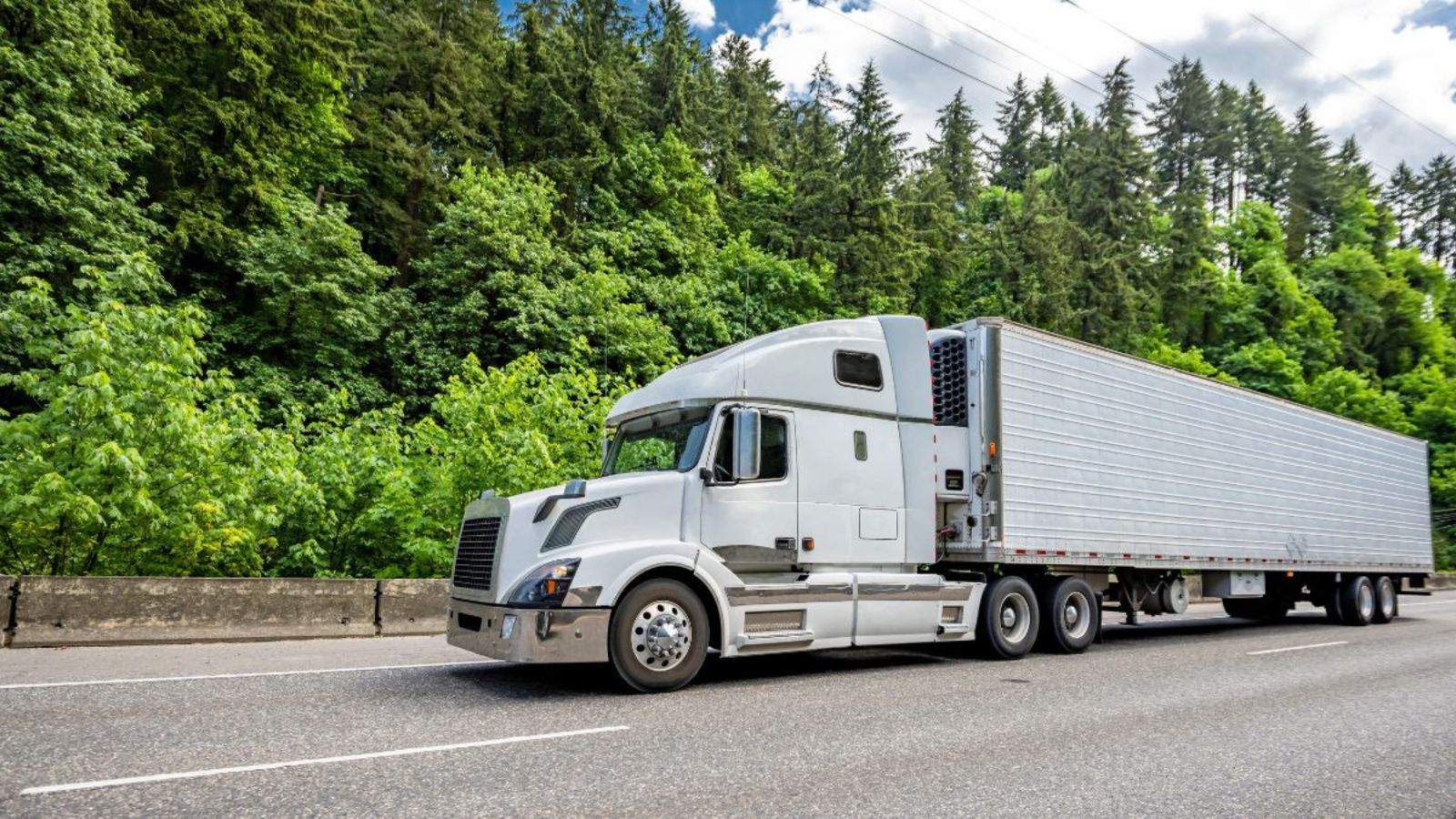
During summer heatwaves, cold freight is exposed to strong thermal pressure as temperature-sensitive goods move across hot transport routes. High outdoor temperatures, road heat, and long transit times make temperature control harder to maintain.
Maintaining safe cargo temperatures becomes more difficult when cooling systems must work against constant external heat. Traffic delays, frequent stops, and extended travel times increase the strain on refrigeration units and raise the risk of instability.
Why Cold Freight Matters in Temperature-Sensitive Shipping
Cold freight is highly vulnerable during summer heatwaves when shipments must maintain controlled temperatures under extreme outdoor conditions. These shipments depend on stable cooling systems to prevent damage during transport.
Cold chain logistics is a system that keeps goods within safe temperature ranges from start to finish. It uses insulation, refrigeration units, and monitoring tools to reduce temperature changes during transit.
Cold Freight and Its Role in Logistics
Cold freight means cargo moved in refrigerated trucks or containers. These systems keep products within safe temperature levels during transport.
Temperature-controlled logistics uses cooling systems that run throughout the journey. This reduces spoilage and helps maintain product safety standards.
Types of Goods That Require Cold Chain Transport
| Category | Description | Details |
|---|---|---|
| Food and Beverage Products | Goods that spoil quickly when exposed to heat | Includes dairy, meat, and frozen products. Cold chain systems help maintain freshness until delivery. |
| Pharmaceuticals and Medical Supplies | Temperature-sensitive medical products | Includes vaccines and medical solutions. Stable temperatures are needed to maintain effectiveness. |
| Chemicals and Perishables | Heat-sensitive industrial and biological materials | Includes chemicals that may break down under high temperatures, such as hydrogen peroxide, certain industrial enzymes, and temperature-sensitive laboratory reagents. Controlled transport prevents unwanted reactions and helps maintain chemical stability. |
How Summer Heatwaves Impact Cold Freight on the Road
During summer heatwaves, cold freight faces rising risks as external heat builds up around transport vehicles. Refrigeration units must work harder to keep internal temperatures stable.
Road conditions also add stress, especially during traffic jams and long stops. Heat from the road surface and engine systems adds extra pressure on cooling systems.
Risk of Temperature Fluctuations During Transit
Temperature changes can occur during cold freight movement, especially when external conditions shift along the route. These fluctuations can disrupt stable cooling and increase the risk of product damage.
One major cause of temperature instability is frequent door openings and loading stops. Each time cargo doors open, warm air enters the refrigerated space. This forces the cooling system to work harder to restore safe temperature levels.
Traffic delays and engine heat exposure also contribute to temperature risks. Long periods of idling in heavy traffic increase heat buildup. On the other hand, engine-generated warmth adds extra strain to the refrigeration unit, making consistent temperature control more difficult.
Equipment Strain on Refrigeration Units
High temperatures during summer heatwaves place continuous strain on refrigeration systems used for cold freight. These systems must run for longer periods to maintain safe temperature levels inside the cargo area.
Extended operation leads to higher mechanical stress on cooling units. Ongoing use under high heat conditions can reduce overall equipment efficiency and increase maintenance needs.
Fuel and power demand also rise as refrigeration systems work harder. Keeping temperatures stable requires more energy, which increases total transport costs and minimizes operational efficiency.
Common Risks of Cold Freight Failure in Hot Weather
During summer heatwaves, cold freight is at risk when temperature control fails. Even small temperature changes can affect product quality and stability. This makes consistent cooling essential throughout the entire journey.
Product Spoilage and Quality Degradation
One major risk is product spoilage and quality degradation. Heat can cause food items and medical products to break down quickly, making them unsafe or unusable once temperature limits are exceeded.
Loss of Compliance with Safety Standards
Another key issue is loss of compliance with safety standards. Many temperature-sensitive goods must follow strict transport requirements, and failure to meet these rules can result in rejected shipments and regulatory concerns.
Financial Losses and Supply Chain Disruptions
Financial losses and supply chain disruptions are also common outcomes. Damaged goods reduce revenue, while delays and replacements can interrupt the smooth flow of distribution across multiple stages.
How Logistics Companies Protect Cold Freight During Heatwaves
Cold freight during summer heatwaves is protected using better systems and careful planning. These methods keep temperatures stable even in extreme heat.
Technology and planning work together to reduce risk. This improves control across the entire delivery process.
Advanced Refrigeration Technology in Transport Vehicles
Modern refrigerated trucks use stronger cooling systems. Better insulation helps reduce heat transfer from outside.
Real-Time Temperature Monitoring Systems
Cold freight during summer heatwaves is tracked closely using monitoring tools. This helps detect issues early and maintain stable conditions during transit.
- IoT Sensors and Alerts – Sensors track temperature changes throughout the journey. Alerts are triggered when temperature limits are exceeded for a quick response.
- GPS-Integrated Cold Chain Tracking – Location and temperature data are combined in one system. This improves visibility and helps monitor conditions during delivery.
Strategic Route and Delivery Planning
Routes are planned to reduce heat exposure, while timing helps maintain stable temperatures during transport.
- Avoid Peak Heat Hours – Travel is scheduled during cooler parts of the day to reduce stress on cooling systems.
- Minimize Idle Time in Transit – Less stopping reduces heat exposure, while steady movement supports temperature control.
Best Practices for Maintaining Cold Chain Integrity in Summer
Cold freight during summer heatwaves needs proper handling at every stage. Small steps can help prevent major temperature issues and support stable conditions during transit.
Pre-Cooling and Proper Loading Procedures
Cargo areas are cooled before loading begins. This helps stabilize temperature from the start and reduces heat exposure during loading.
Regular Equipment Maintenance Checks
Cooling systems are checked before trips. Routine inspections help prevent unexpected failures and keep systems running efficiently.
Emergency Response for Temperature Breaches
Backup plans are used when temperature problems occur. Quick action helps reduce product loss and maintain shipment quality.
Cannonball Express Transportation
Cannonball Express Shipping Company has been providing top-of-the-line service at a reasonable rate. Based in Omaha, Nebraska, we provide nationwide refrigerated LTL services, as well as local delivery services. Contact us today!
Nationwide Shipping Company Services:
- Refrigerated LTL deliveries in the lower 48 states
- Refrigerated Cross-dock
Local Shipping Company Services:
- Redelivery Services
- Truckload & LTL Capabilities
- PUP
- Cross dock
- Transload
- Warehouse and Distribution capabilities from multiple Omaha Locations
Nebraska Warehouse One-Stop-Shop | TechnologyEnabled 3PL Value-Added Services Warehouse | Freight Broker | Logistics
Nebraska Warehouse doesn’t just help to facilitate your shipments, but we are truly a one-stop-shop solutions provider. Our services include:
Latest News
The latest information about our Omaha storage warehouse services

What Is FSMA 204, and What Records Should Food Shippers Share With Carriers?
Food traceability is creating new documentation considerations for shippers, particularly as FSMA...
September 2, 2026
The Odor Transfer Trap: Why Mixing Chocolate and Cheese in Summer LTL Spells Disaster
Summer shipping introduces challenges that extend beyond maintaining the correct trailer...
August 4, 2026
Brutal Lessons From Moving Stadium and High School Concession Freight on Multi-Stop Reefer LTL Freight Routes
Concession freight often looks easier than it is. A refrigerated trailer may carry products for...
July 3, 2026
When Summer Heat Wave Warnings Threaten Food-Grade Cargo: The Ultimate Guide to Safe Transit
Summer heat waves can create serious challenges for food shipments. While many people think of...
June 12, 2026
Ways Data And AI Can Help You Stop Cold Chain Surprises Before They Happen
Cold chain problems rarely happen all at once. They usually build up slowly. Small delays,...
May 21, 2026
Dwell Time: The Silent Freight Killer That Wrecks Product Quality Every Hot Month
During the hottest months of the year, freight risks do not only come from transportation...
May 11, 2026
What Happens to Cold Freight on the Road During the Summer Heatwave?
During summer heatwaves, cold freight is exposed to strong thermal pressure as...
April 14, 2026
Spring Storms And Safe Deliveries: How We Plan Around Unpredictable Weather
Heavy rain, strong winds, and sudden storms can create a potential risk for drivers, vehicles,...
March 23, 2026
Why Refrigerated LTL Is Different From Dry Freight (And Why It Matters For Your Product)
Refrigerated LTL and dry freight differ fundamentally in how they manage temperature, protect...
March 2, 2026
The Most Dangerous Roads in America—And How Truckers Master Them
The most dangerous roads in America often have heavy traffic, tricky designs, and challenging...
February 5, 2026