Why Are Refrigerated Freight Rates Rising This Fall, and What Can Small Shippers Control?
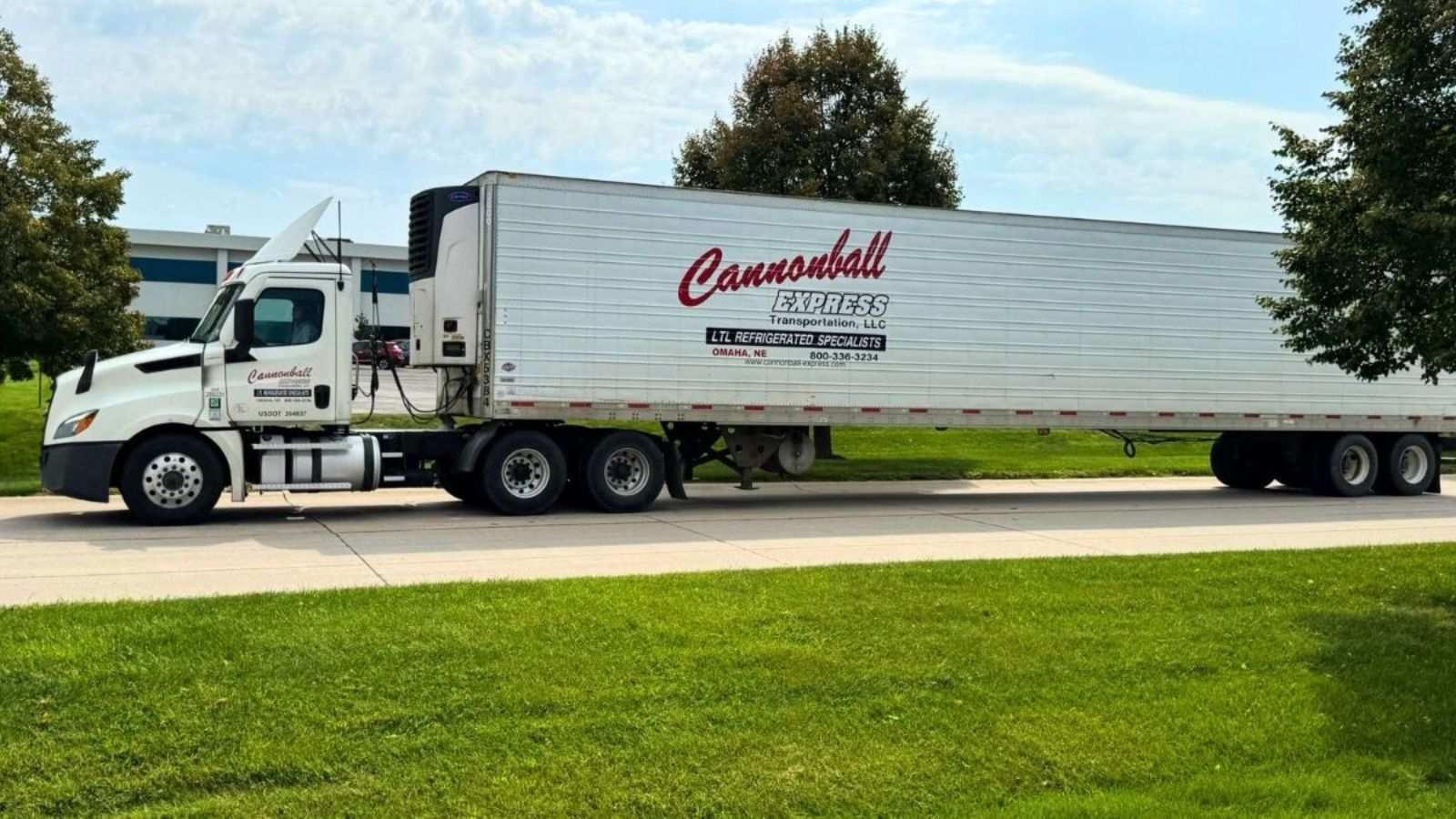
Small shippers can notice transportation costs changing as fall freight volumes shift. Refrigerated freight rates can be affected by seasonal demand, regional capacity, fuel costs, and the availability of temperature-controlled equipment.
Not all these factors are within a shipper’s control. The practical approach is to separate market-driven costs from shipment decisions that can be adjusted.
Fall Factors Behind Refrigerated Freight Rates
Refrigerated freight rates can change when seasonal demand increases or temperature-controlled capacity becomes tighter. Conditions can also vary by lane and region.
Areas with active harvests may experience stronger refrigerated freight demand, while markets with fewer seasonal shipments may have more available capacity.
Factors that can influence fall pricing include:
- Seasonal produce and food shipments
- Regional freight demand
- Refrigerated trailer availability
- Fuel and carrier operating costs
- Weather conditions
- Pickup and delivery locations
- Shipment timing
A higher quote on one lane does not necessarily mean every refrigerated shipment is becoming more expensive by the same amount.
Market Costs Outside a Small Shipper’s Control
Some transportation costs are largely determined by broader freight-market conditions.
A small shipper cannot control diesel prices, seasonal freight volumes, or refrigerated trailer availability. Broader carrier operating costs and equipment constraints can also affect pricing.
| Market factor | Potential effect |
|---|---|
| Fuel prices | Change transportation operating costs |
| Seasonal demand | Increase competition for equipment |
| Equipment availability | Limit refrigerated capacity |
| Weather | Affect operating conditions |
| Regional freight volume | Tighten or loosen capacity |
| Carrier operating costs | Influence transportation pricing |
It is also useful to separate the linehaul rate, fuel surcharge, and accessorial charges.
The linehaul covers the core transportation service. A fuel surcharge addresses fuel-related costs, while accessorials can apply to services such as certain appointments, detention, redelivery, or special handling.
When a quote increases, reviewing each component can show whether the change is market-driven or related to the shipment itself.
Planning Opportunities for Small Shippers
The most practical opportunities are often found in shipment planning.
A last-minute shipment can have fewer transportation options than one planned several days ahead. Earlier planning does not guarantee a lower rate, but it gives a carrier more time to identify capacity and build the shipment into an available route.
Small shippers can review:
- Lead time provided
- Opportunities to combine orders
- Delivery-date flexibility
- Frequency of urgent shipments
- Repeated lanes
- Whether scheduled LTL fits the freight
Consolidation may also be worth considering. Compatible smaller shipments moving to similar destinations may sometimes be planned together rather than separately.
| Scheduling consideration | Potential benefit |
|---|---|
| Earlier pickup | More time to plan capacity |
| Flexible delivery date | More routing options |
| Recurring shipment pattern | Easier planning |
| Multiple orders ready together | Possible consolidation |
Cannonball Express follows a scheduled refrigerated freight cycle, with pickups on Thursday and Friday for deliveries the following week. Its Omaha operation also uses a refrigerated cross-dock and serves shippers within a 250-mile radius.
For shippers whose freight fits that schedule, understanding the operating cycle can support planning.
Before accepting a higher rate, review:
- Has the specific lane tightened?
- Did fuel or another operating cost change?
- Did the shipment become more urgent?
- Could compatible freight be consolidated?
- Was shipment information provided accurately?
- Are accessorials affecting the total?
- Is there flexibility in the pickup or delivery date?
Freight Details That Affect the Final Quote
A carrier needs accurate shipment information to evaluate the transportation requirements.
“Refrigerated” does not describe every temperature-controlled shipment. Product requirements, dimensions, weight, and delivery conditions can affect how freight must be handled.
A quote request should include:
- Product type
- Number of pallets
- Total weight
- Pallet dimensions
- Required temperature
- Pickup and delivery locations
- Appointment requirements
- Special handling instructions
Temperature requirements should be clear before pickup. Appointment windows and special delivery conditions should also be identified before the quote is finalized.
Complete information helps the carrier evaluate the shipment accurately and avoid unexpected requirements.
Service Requirements and Transportation Cost
A lower transportation quote does not automatically mean a lower overall shipping cost.
The quoted service should meet the freight’s temperature, handling, and delivery requirements. Otherwise, a lower price may not represent a suitable alternative.
Before choosing a lower-priced option, review:
- Required temperature range
- Delivery deadline
- Number of handling points
- Product sensitivity
- Accessorial charges
- Consequences of delayed delivery
The opposite can also happen. Paying for expedited or specialized service when scheduled LTL can meet the shipment’s requirements may add unnecessary cost.
The right comparison is between services that can safely handle the freight and meet the required delivery schedule.
Turning Fall Rate Changes Into Better Shipping Decisions
Refrigerated freight rates can rise because of seasonal demand, regional capacity, fuel costs, equipment availability, and other market conditions.
Small shippers cannot control all of these factors, but they can control how they respond. Earlier planning, accurate freight information, flexible scheduling where possible, and appropriate service selection can help avoid costs caused by preventable shipment issues.
The key takeaway is to distinguish market-driven rate pressure from shipment-related costs that better planning can help control.
Frequently Asked Questions
Does capacity always cause higher rates?
No. Higher rates can also result from fuel costs, shipment requirements, accessorials, or pickup and delivery conditions. Reviewing the individual components of the quote can help identify the source of the increase.
Can rates change seasonally?
Yes. Freight markets can change as seasonal demand shifts between regions. Areas with active harvests may experience stronger refrigerated freight demand, while markets with fewer seasonal shipments may have more available capacity.
Can recurring freight improve planning?
It can. Consistent lanes, predictable shipment volumes, and known schedules give transportation providers more information for planning. This does not guarantee a lower rate, but it can make scheduled service and capacity easier to evaluate.
When does refrigerated LTL make sense?
Refrigerated LTL can be appropriate when a shipment does not require an entire trailer and fits the carrier’s temperature, routing, and delivery requirements. Shipment size, product characteristics, lane, and scheduling requirements should all be considered before selecting the service.
Can a lower refrigerated freight rate increase other shipping costs?
Yes. A lower rate may come with different service levels, additional handling, longer transit times, or accessorial charges. Shippers should compare the total transportation cost and service requirements rather than choosing based on the quoted rate alone.
Cannonball Express Transportation
Cannonball Express Shipping Company has been providing top-of-the-line service at a reasonable rate. Based in Omaha, Nebraska, we provide nationwide refrigerated LTL services, as well as local delivery services. Contact us today!
Nationwide Shipping Company Services:
- Refrigerated LTL deliveries in the lower 48 states
- Refrigerated Cross-dock
Local Shipping Company Services:
- Redelivery Services
- Truckload & LTL Capabilities
- PUP
- Cross dock
- Transload
- Warehouse and Distribution capabilities from multiple Omaha Locations
Nebraska Warehouse One-Stop-Shop | TechnologyEnabled 3PL Value-Added Services Warehouse | Freight Broker | Logistics
Nebraska Warehouse doesn’t just help to facilitate your shipments, but we are truly a one-stop-shop solutions provider. Our services include:
Latest News
The latest information about our Omaha storage warehouse services

Why Does a Refrigerated LTL Carrier Need the PO, Appointment, and Temperature Range Before Quoting My Load?
When requesting a refrigerated LTL quote, shippers are often asked for more than the shipment's...
October 14, 2026
Why Are Refrigerated Freight Rates Rising This Fall, and What Can Small Shippers Control?
Small shippers can notice transportation costs changing as fall freight volumes shift....
September 25, 2026
What Is FSMA 204, and What Records Should Food Shippers Share With Carriers?
Food traceability is creating new documentation considerations for shippers, particularly as FSMA...
September 2, 2026
The Odor Transfer Trap: Why Mixing Chocolate and Cheese in Summer LTL Spells Disaster
Summer shipping introduces challenges that extend beyond maintaining the correct trailer...
August 4, 2026
Brutal Lessons From Moving Stadium and High School Concession Freight on Multi-Stop Reefer LTL Freight Routes
Concession freight often looks easier than it is. A refrigerated trailer may carry products for...
July 3, 2026
When Summer Heat Wave Warnings Threaten Food-Grade Cargo: The Ultimate Guide to Safe Transit
Summer heat waves can create serious challenges for food shipments. While many people think of...
June 12, 2026
Ways Data And AI Can Help You Stop Cold Chain Surprises Before They Happen
Cold chain problems rarely happen all at once. They usually build up slowly. Small delays,...
May 21, 2026
Dwell Time: The Silent Freight Killer That Wrecks Product Quality Every Hot Month
During the hottest months of the year, freight risks do not only come from transportation...
May 11, 2026
What Happens to Cold Freight on the Road During the Summer Heatwave?
During summer heatwaves, cold freight is exposed to strong thermal pressure as...
April 14, 2026
Spring Storms And Safe Deliveries: How We Plan Around Unpredictable Weather
Heavy rain, strong winds, and sudden storms can create a potential risk for drivers, vehicles,...
March 23, 2026