How Do Apple and Pumpkin Distributors Avoid Cross-Contamination in Multi-Stop Fall LTL Deliveries?
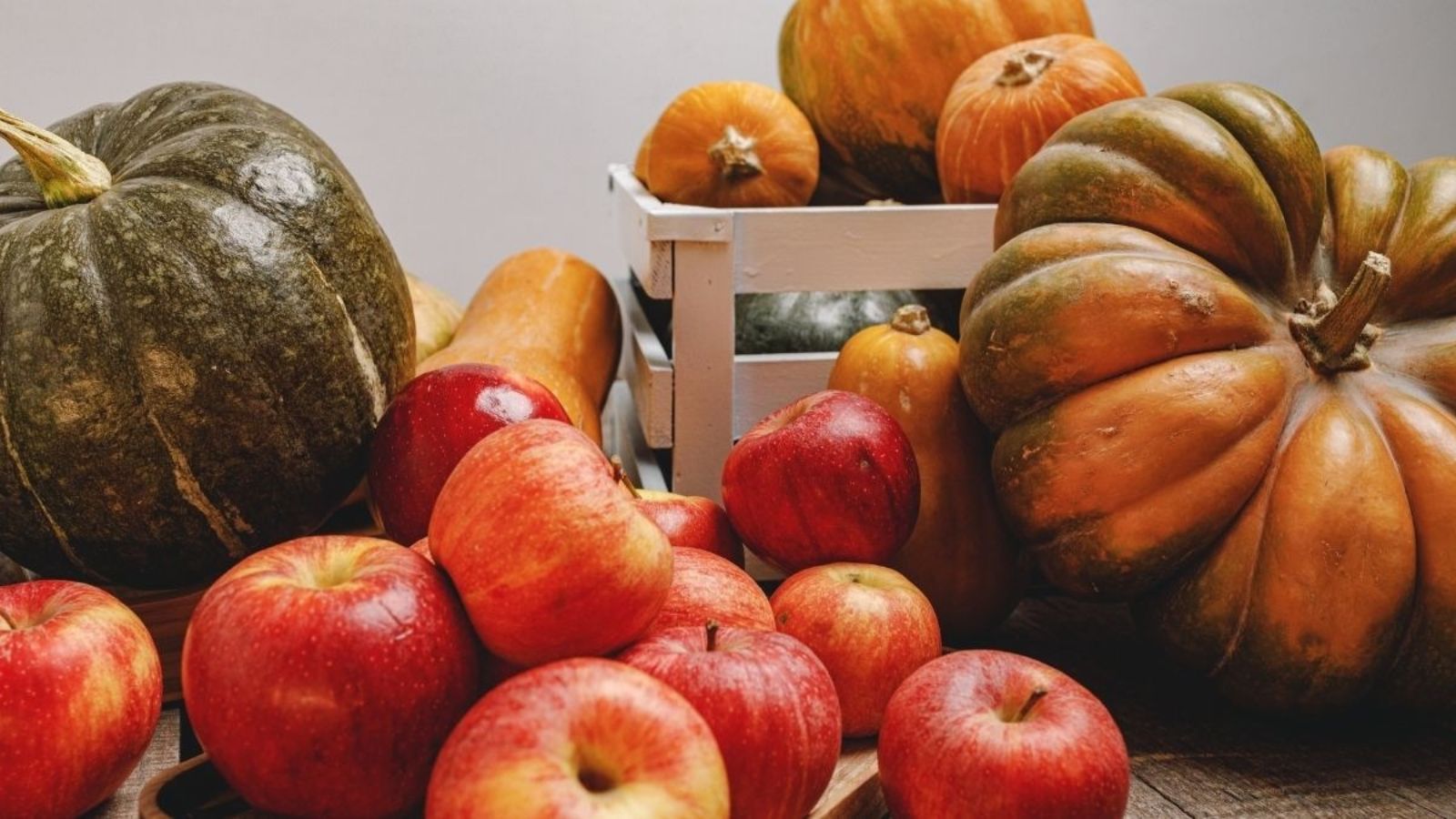
Fall brings increased shipments of apples, pumpkins, and other seasonal produce. For distributors using less-than-truckload (LTL) shipping, multiple stops and mixed freight can increase the risk of cross-contamination in LTL deliveries. Damaged packaging, loose soil, leaking products, and unclean trailer surfaces can expose other cargo to contaminants.
Preventing these problems requires more than separating products. Shippers and carriers must check cargo compatibility, prepare trailers properly, secure loads, and inspect shipments throughout the delivery process.
Identifying Contamination Risks Before Loading
Apples can bruise when cartons shift or receive excessive pressure. Pumpkins can develop cuts or broken stems when they move against other freight. Soil on pumpkins, containers, or pallets may transfer to nearby cargo, while leaking products can contaminate packaging or trailer surfaces.
Before loading, shippers should check for:
- Torn cartons, punctured packaging, or leaking containers
- Loose soil, debris, or residue on pallets
- Damaged produce that could affect nearby goods
- Packaging that cannot withstand stacking or movement
- Special handling or temperature requirements
Damaged or potentially contaminated items should be isolated for assessment. Clear shipment documentation also helps carriers identify handling restrictions and determine whether different commodities can safely share trailer space.
Separating Apples, Pumpkins, and Other Freight
Apples and pumpkins may travel together when their handling and temperature requirements are compatible. Packaging, cleanliness, and load stability also influence whether mixed shipments are appropriate.
Practical precautions include:
- Use sound packaging. Secure cartons and containers to limit shifting, crushing, and exposure to dirt.
- Separate incompatible goods. Keep produce away from chemicals, leaking freight, waste, and other potential contaminants.
- Use suitable barriers. Dividers and protective materials can reduce contact between commodities when the trailer configuration allows.
- Secure bulky loads. Stabilize pumpkin bins and other irregular items to prevent movement during transit.
Shrink wrap helps stabilize freight and protect packaging, but it is not a complete contamination barrier. It cannot compensate for dirty pallets, leaking containers, or unsuitable cargo combinations.
Trailer Sanitation and Temperature Control
Before loading, carriers should inspect the trailer for residue, moisture, damaged surfaces, unusual odors, and remnants from previous shipments. Cleaning and drying the cargo area as needed helps reduce the risk of transferring contaminants to new freight.
Trailer sanitation checklist:
- Inspect for dirt, residue, moisture, and unusual odors.
- Remove debris and clean affected surfaces.
- Ensure the trailer is dry and suitable for the shipment.
- Check pallets and packaging for visible contamination.
Temperature control is equally important. Apples and pumpkins may have different storage requirements depending on variety, condition, intended use, and transit time.
Shippers should specify the temperature requirements for each product so carriers can determine the best way to transport them safely.
Temperature and loading considerations:
- Confirm the temperature needs of each commodity.
- Check that the available equipment can accommodate them.
- Maintain adequate airflow where required.
- Consider separation and loading practices alongside refrigeration.
Refrigerated equipment alone does not guarantee compatibility. Cleanliness, airflow, and appropriate loading arrangements remain important throughout transit.
Cross-Docking and Multi-Stop Delivery Planning
Each loading, unloading, or cross-docking transfer creates another opportunity for freight to contact shared equipment, staging areas, or other pallets. A clear loading and delivery plan helps limit unnecessary handling and protects shipments as the trailer makes multiple stops.
- Plan delivery order. Position freight to reduce movement and avoid disturbing other shipments at each stop.
- Label cargo clearly. Identify commodities and include relevant handling instructions.
- Inspect during transfers. Check for damaged packaging, leaks, and visible contamination.
- Protect staging areas. Keep produce away from dirty surfaces and incompatible freight.
Advance coordination also helps distributors align pickup schedules, equipment availability, and delivery requirements before dispatch. Confirming these details early reduces the likelihood of discovering incompatible cargo arrangements after loading.
Warning Signs and Corrective Actions
Inspections during loading and unloading can reveal problems before they affect other cargo. Staff should know how to respond when packaging is damaged or contamination is suspected.
|
Warning sign |
Recommended action |
|---|---|
| Torn or crushed packaging | Separate damaged freight and assess whether the produce remains protected. |
| Visible soil or residue | Keep affected freight away from other cargo and investigate the source. |
| Leaking containers | Isolate the affected freight and prevent contact with other products. |
| Unusual odor or moisture | Investigate the source and assess whether the freight can be transported safely. |
| Shifted or unstable pallets | Secure the load safely to prevent further damage during transit. |
Document concerns promptly with photographs, shipment records, and notes about when the problem was discovered. The shipper, carrier, receiver, and food-safety personnel should assess suspected contamination and decide whether to release the affected produce. Intact packaging alone does not establish that potentially contaminated goods are safe.
Coordination Between Shippers, Carriers, and Receivers
Preventing contamination depends on clear communication throughout the shipment. Shippers should disclose product requirements and packaging concerns before pickup. Carriers should communicate equipment limitations and report damage or contamination concerns, while receivers should inspect deliveries and document problems.
Shipment instructions should include:
- Commodity descriptions and handling requirements
- Temperature needs and separation restrictions
- Loading priorities and delivery details
- Contacts for reporting problems
- Procedures for holding or rejecting questionable freight
Consistent instructions help everyone understand their responsibilities and make informed decisions across multiple stops.
Protecting Produce Throughout Fall Shipping
Safe fall produce transportation depends on compatible cargo, clean equipment, secure packaging, and careful inspections. Distributors can reduce handling risks by checking equipment and communicating requirements. Careful inspections at each stop also help protect produce quality throughout delivery.
Frequently Asked Questions
Can apples and pumpkins share a trailer if they need different temperatures?
That depends on each product’s required temperature range and the equipment available. Shippers should ask the carrier to confirm whether the proposed trailer configuration can maintain suitable conditions for both commodities throughout the route. If the requirements cannot be met together, separate transportation arrangements may be necessary.
Does shrink wrap prevent cross-contamination?
No. Shrink wrap helps stabilize pallets and limits some direct contact, but it does not prevent contamination from dirty equipment, leaking freight, or compromised packaging.
Should a receiver reject produce if its packaging has visible soil?
Not automatically. The source of the soil, the condition of the packaging, and the possibility of exposure to other freight should be assessed before a decision is made.
What information should accompany a mixed-produce shipment?
Provide the commodity description, pallet count, destination, required temperature, handling instructions, and any known restrictions on combining freight. Accurate labels help warehouse teams identify and handle each shipment correctly.
What should drivers inspect at each delivery stop?
Drivers should watch for shifted pallets, damaged packaging, leaks, and visible residue when accessing or unloading freight. Any suspected contamination should be documented and reported promptly, following the carrier’s procedures.
Cannonball Express Transportation
Cannonball Express Shipping Company has been providing top-of-the-line service at a reasonable rate. Based in Omaha, Nebraska, we provide nationwide refrigerated LTL services, as well as local delivery services. Contact us today!
Nationwide Shipping Company Services:
- Refrigerated LTL deliveries in the lower 48 states
- Refrigerated Cross-dock
Local Shipping Company Services:
- Redelivery Services
- Truckload & LTL Capabilities
- PUP
- Cross dock
- Transload
- Warehouse and Distribution capabilities from multiple Omaha Locations
Nebraska Warehouse One-Stop-Shop | TechnologyEnabled 3PL Value-Added Services Warehouse | Freight Broker | Logistics
Nebraska Warehouse doesn’t just help to facilitate your shipments, but we are truly a one-stop-shop solutions provider. Our services include:
Latest News
The latest information about our Omaha storage warehouse services

How Do Apple and Pumpkin Distributors Avoid Cross-Contamination in Multi-Stop Fall LTL Deliveries?
Fall brings increased shipments of apples, pumpkins, and other seasonal produce. For...
November 2, 2026
Why Does a Refrigerated LTL Carrier Need the PO, Appointment, and Temperature Range Before Quoting My Load?
When requesting a refrigerated LTL quote, shippers are often asked for more than the shipment's...
October 14, 2026
Why Are Refrigerated Freight Rates Rising This Fall, and What Can Small Shippers Control?
Small shippers can notice transportation costs changing as fall freight volumes shift....
September 25, 2026
What Is FSMA 204, and What Records Should Food Shippers Share With Carriers?
Food traceability is creating new documentation considerations for shippers, particularly as FSMA...
September 2, 2026
The Odor Transfer Trap: Why Mixing Chocolate and Cheese in Summer LTL Spells Disaster
Summer shipping introduces challenges that extend beyond maintaining the correct trailer...
August 4, 2026
Brutal Lessons From Moving Stadium and High School Concession Freight on Multi-Stop Reefer LTL Freight Routes
Concession freight often looks easier than it is. A refrigerated trailer may carry products for...
July 3, 2026
When Summer Heat Wave Warnings Threaten Food-Grade Cargo: The Ultimate Guide to Safe Transit
Summer heat waves can create serious challenges for food shipments. While many people think of...
June 12, 2026
Ways Data And AI Can Help You Stop Cold Chain Surprises Before They Happen
Cold chain problems rarely happen all at once. They usually build up slowly. Small delays,...
May 21, 2026
Dwell Time: The Silent Freight Killer That Wrecks Product Quality Every Hot Month
During the hottest months of the year, freight risks do not only come from transportation...
May 11, 2026
What Happens to Cold Freight on the Road During the Summer Heatwave?
During summer heatwaves, cold freight is exposed to strong thermal pressure as...
April 14, 2026