Ways Data And AI Can Help You Stop Cold Chain Surprises Before They Happen
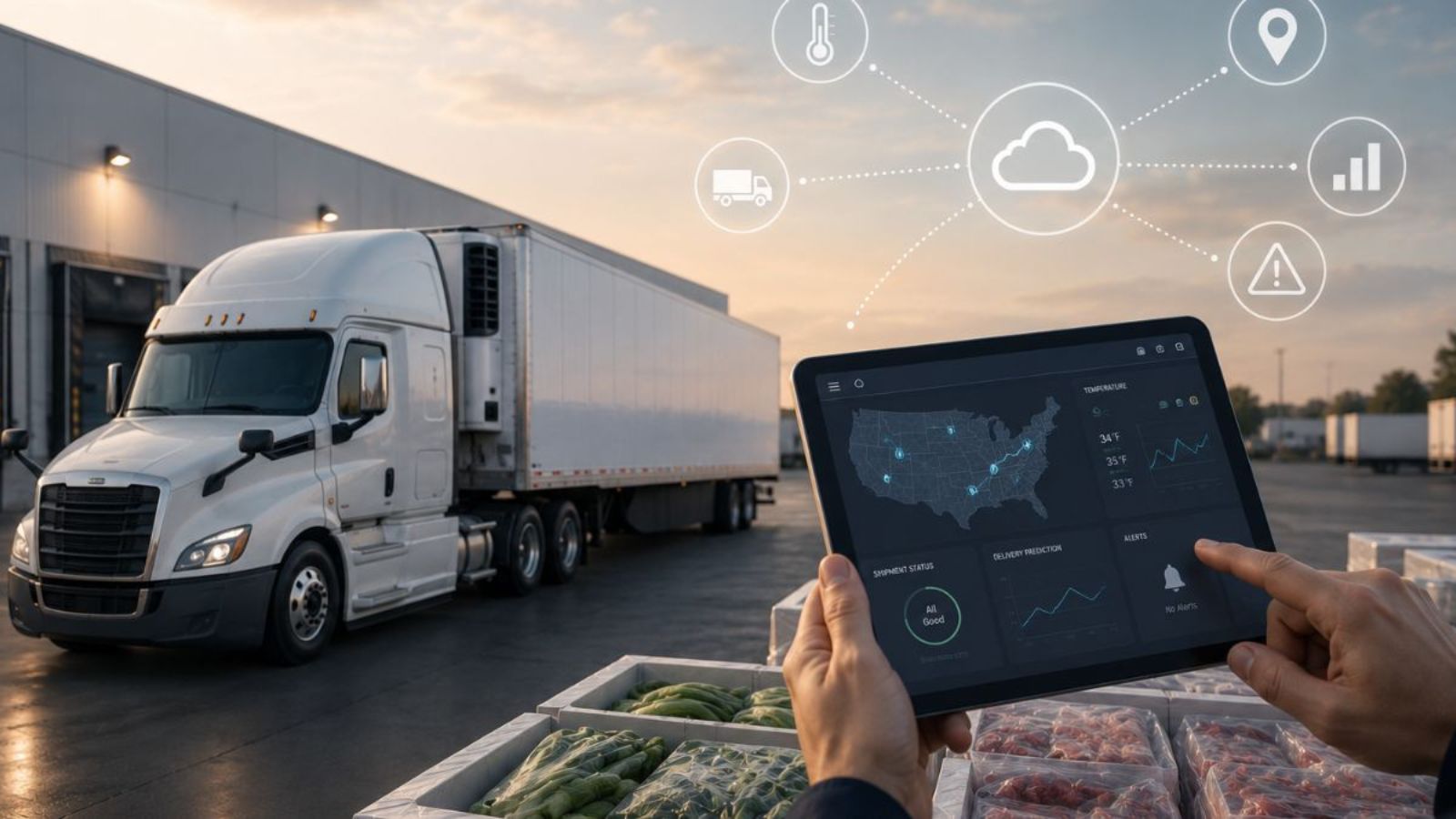
Cold chain problems rarely happen all at once. They usually build up slowly. Small delays, limited tracking, or minor temperature changes can go unnoticed. By the time they are noticed, product quality may already be affected.
Using cold chain AI and data analytics allows logistics teams to spot issues earlier in the process. These tools improve visibility across the supply chain by showing real-time movement and conditions instead of delayed updates.
As a result, risks can be identified sooner, giving teams more time to respond before shipments are affected.
Understanding Cold Chain Surprises
Cold chain surprises refer to unexpected problems that affect temperature-sensitive shipments. These issues do not always come from equipment failure. Many are caused by everyday operational conditions within cold chain logistics networks.
Common examples include:
- Shipments waiting longer than planned at docks
- Temperature changes during transfers between carriers
- Delays that increase time in warm conditions
- Refrigeration systems working harder during long stops
- Deliveries arriving on time but outside safe temperature ranges
Even short heat exposure can affect food, medicine, and other sensitive goods.
Improving Visibility Across The Supply Chain
One of the main challenges in cold chain operations is limited visibility. Shipments can appear stable while small issues are already developing.
Data systems help by collecting information from different stages of the journey. This creates a clearer view of real-time movement and handling across the network.
This often includes:
- Live tracking of shipment location
- Continuous temperature monitoring during transport and stops
- Delay alerts at hubs and transfer points
- Performance history for carriers and routes
Better visibility reduces reliance on delayed updates and improves response time.
AI-Driven Early Risk Detection
AI helps identify risks before they fully develop. Instead of only reporting delays, it analyzes patterns across logistics networks that may signal future disruption.
These systems often review:
- Past congestion at warehouses and hubs
- Carrier timing and delay history
- Seasonal increases in shipment volume
- Weather conditions that increase exposure risk
When combined, these signals help flag temperature-sensitive cargo that may be at risk before issues occur.
Identifying And Managing Dwell Time
Dwell time refers to periods when freight is not moving. It is a common part of cold chain operations, but it can create risk when extended.
Data tools help predict dwell time by analyzing:
- Dock space availability and facility workload
- Gaps between arrival and unloading schedules
- Transfer timing between transport modes
- Congestion at key logistics points
These operational friction points often increase idle time and raise exposure risk for sensitive shipments.
Monitoring Temperature Trends Over Time
Most traditional systems only show current readings. Modern tools track temperature changes over time to reveal patterns that are harder to detect in real time alone.
This helps identify:
- Slow temperature drift during long trips
- Repeated fluctuations on specific routes
- Higher cooling demand during idle periods
- Delayed recovery after heat exposure
These trends provide clearer insight into risks affecting temperature-sensitive cargo.
Detecting Equipment Issues Early
Refrigeration systems play a key role in protecting cargo. Performance issues often develop gradually under changing operational conditions.
Warning signs include:
- Higher energy use than normal
- Irregular cooling cycles
- Difficulty maintaining set temperatures
- Differences in performance across similar routes
Early detection reduces the risk of failure during active shipments in cold chain logistics.
Using Routing Insights To Reduce Risk
Route planning depends on more than distance. Environmental and operational factors also influence shipment stability.
AI tools can evaluate:
- Traffic delays and congestion
- Levels of heat exposure along routes
- Number of stops and waiting points
- Reliability of transfer locations
- Seasonal travel conditions
This helps reduce unnecessary risk for temperature-sensitive cargo.
Turning Alerts Into Action
Alerts are most effective when they lead to clear action. Modern systems focus on decision support rather than raw notifications.
Instead of only sending warnings, cold chain systems may:
- Suggest alternative routes
- Recommend actions based on cargo sensitivity
- Estimate risk if no action is taken
- Prioritize urgent issues first
This improves response time across logistics operations.
Operational Impact Of Predictive Systems
When AI and data analytics are applied consistently, logistics performance becomes more stable.
Common improvements include:
- Fewer unexpected delays
- Stronger control of temperature monitoring
- Better coordination across facilities and carriers
- Reduced risk during idle periods
- More consistent handling of cold chain logistics
Over time, this improves reliability across distribution networks.
Keeping Cold Chain Performance More Predictable
Issues with temperature-controlled logistics often start with small operational friction points. A short delay, minor temperature change, or unexpected stop can grow into a larger disruption.
Data and AI help reduce these risks by improving visibility, identifying early warning signals, and supporting faster responses. This helps maintain stable operational conditions for temperature-sensitive cargo from origin to delivery.
Cannonball Express Transportation
Cannonball Express Shipping Company has been providing top-of-the-line service at a reasonable rate. Based in Omaha, Nebraska, we provide nationwide refrigerated LTL services, as well as local delivery services. Contact us today!
Nationwide Shipping Company Services:
- Refrigerated LTL deliveries in the lower 48 states
- Refrigerated Cross-dock
Local Shipping Company Services:
- Redelivery Services
- Truckload & LTL Capabilities
- PUP
- Cross dock
- Transload
- Warehouse and Distribution capabilities from multiple Omaha Locations
Nebraska Warehouse One-Stop-Shop | TechnologyEnabled 3PL Value-Added Services Warehouse | Freight Broker | Logistics
Nebraska Warehouse doesn’t just help to facilitate your shipments, but we are truly a one-stop-shop solutions provider. Our services include:
Latest News
The latest information about our Omaha storage warehouse services

Brutal Lessons From Moving Stadium and High School Concession Freight on Multi-Stop Reefer LTL Freight Routes
Concession freight often looks easier than it is. A refrigerated trailer may carry products for...
July 3, 2026
When Summer Heat Wave Warnings Threaten Food-Grade Cargo: The Ultimate Guide to Safe Transit
Summer heat waves can create serious challenges for food shipments. While many people think of...
June 12, 2026
Ways Data And AI Can Help You Stop Cold Chain Surprises Before They Happen
Cold chain problems rarely happen all at once. They usually build up slowly. Small delays,...
May 21, 2026
Dwell Time: The Silent Freight Killer That Wrecks Product Quality Every Hot Month
During the hottest months of the year, freight risks do not only come from transportation...
May 11, 2026
What Happens to Cold Freight on the Road During the Summer Heatwave?
During summer heatwaves, cold freight is exposed to strong thermal pressure as...
April 14, 2026
Spring Storms And Safe Deliveries: How We Plan Around Unpredictable Weather
Heavy rain, strong winds, and sudden storms can create a potential risk for drivers, vehicles,...
March 23, 2026
Why Refrigerated LTL Is Different From Dry Freight (And Why It Matters For Your Product)
Refrigerated LTL and dry freight differ fundamentally in how they manage temperature, protect...
March 2, 2026
The Most Dangerous Roads in America—And How Truckers Master Them
The most dangerous roads in America often have heavy traffic, tricky designs, and challenging...
February 5, 2026
Facility-Based Refrigerated LTL vs. Hub-and-Spoke Networks: A Comparative Guide
Facility-based refrigerated LTL offers real-time visibility and temperature-controlled...
January 15, 2026
How Food Safety Regulations Influence Route Planning for Refrigerated Carriers
Food safety regulations guide how refrigerated carriers plan routes to keep perishable goods...
December 11, 2025